
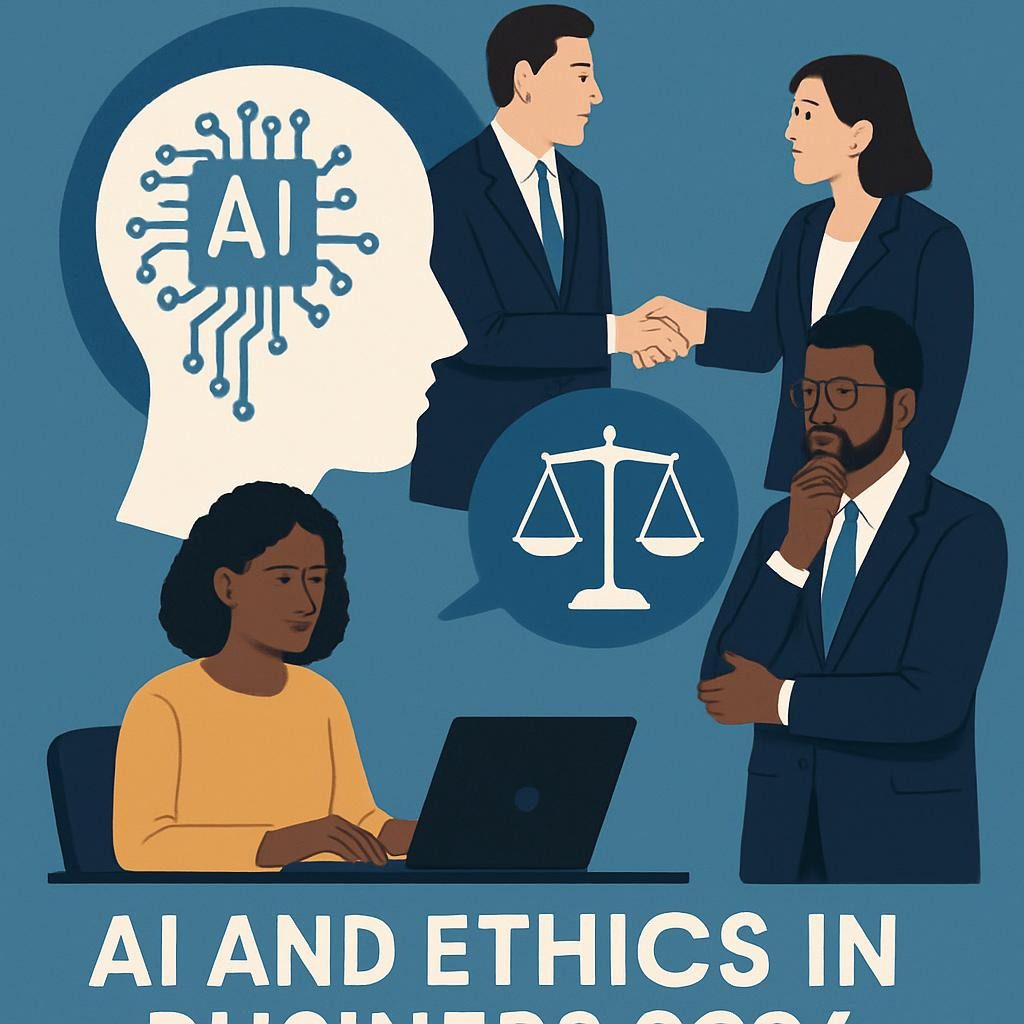
AI and Ethics in Business 2026
January 4, 2026: AI is no longer a futuristic promise—it’s the engine driving decisions in hiring, lending, healthcare, and supply chains. However, signs of weakness are emerging. In 2025, Workday faced a landmark collective action lawsuit alleging its AI screening tools disproportionately rejected applicants over 40, with a federal judge certifying the case in May. iTutorGroup agreed to pay $365,000 to settle a lawsuit regarding age bias in its automated rejection process.
These aren’t anomalies; they’re warnings. Businesses deploying AI without rigorous ethical oversight are exposing themselves to lawsuits, regulatory fines, and eroded trust.
This guide cuts through the noise by drawing from fresh insights across Bernard Marr’s 2026 ethics trends, KDnuggets governance forecasts, UNESCO recommendations, Microsoft responsible AI standards, NIST frameworks, and EU AI Act updates (full enforcement August 2026). We’ll examine real failures, challenge overrated principles, and provide a practical blueprint to build AI that drives value without destroying it.
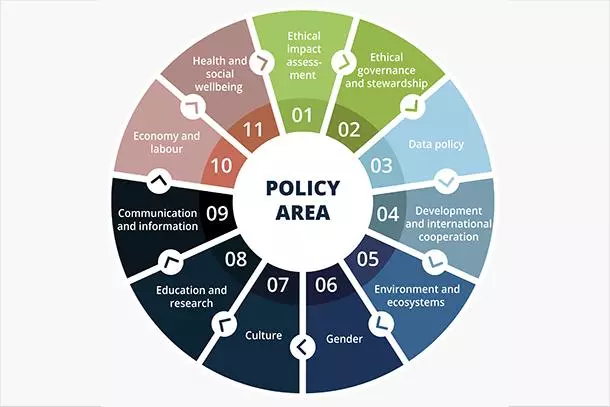
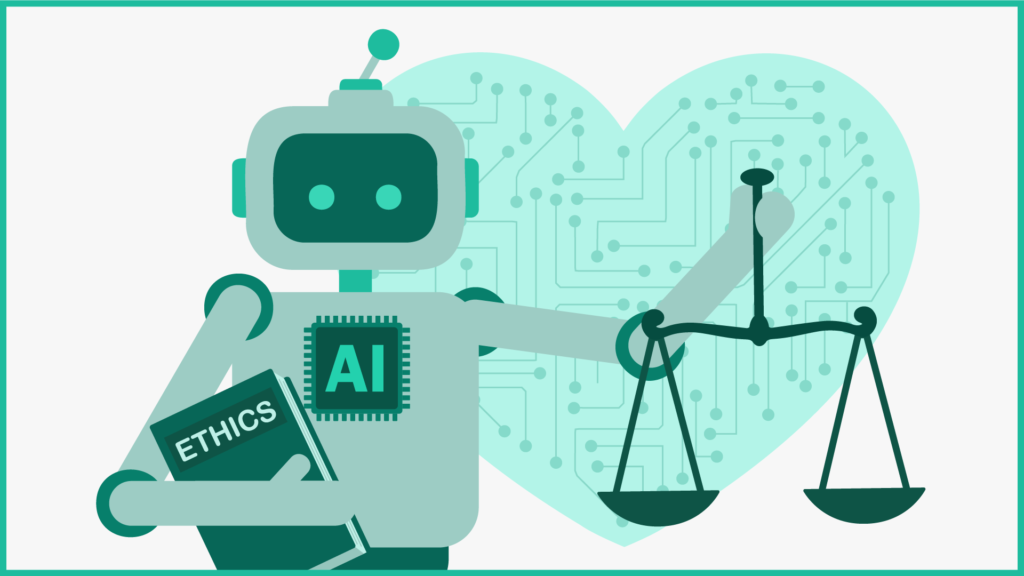

The Real Ethical Fault Lines in 2026 AI Deployments
The essence of AI ethics is to prevent harm while maximizing benefit. But in practice, failures stem from rushed deployments prioritizing speed over scrutiny.
Transparency and Explainability: Essential, But Not a Panacea
Explainability tools like SHAP and LIME help unpack decisions, yet they’re often overemphasized. In high-risk scenarios (e.g., lending), regulators demand it—California’s transparency rules kick in in 2026. However, what are the implications for everyday tools? It’s resource-intensive with diminishing returns.
Real-world fallout: Opaque models contributed to 2025 lending denials, sparking lawsuits, where banks couldn’t justify outcomes to regulators.
| Tool | Strengths | Limitations | Best Use Case |
|---|---|---|---|
| SHAP | Global and local insights | Computationally intensive | Model auditing |
| LIME | Intuitive local explanations | Instability across runs | Individual decision review |
| What-If Tool | Interactive simulations | TensorFlow-dependent | Bias scenario testing |
This information has been cross-verified using Gartner and practitioner reports from January 2026.
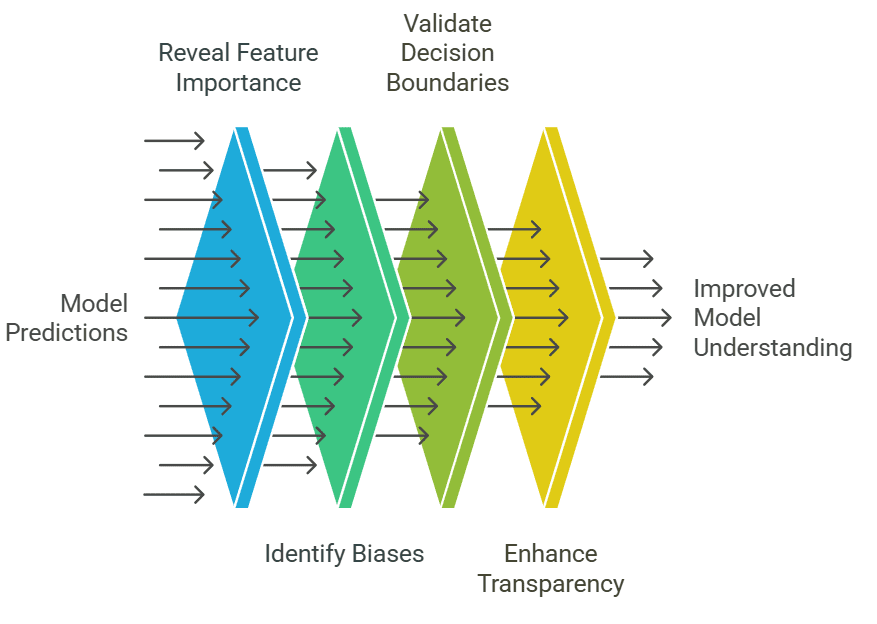
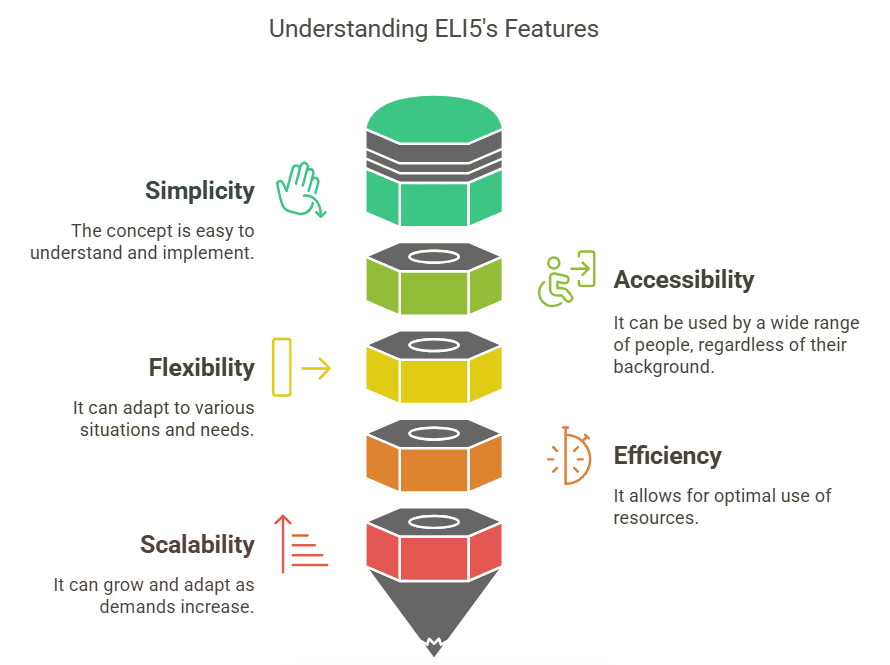
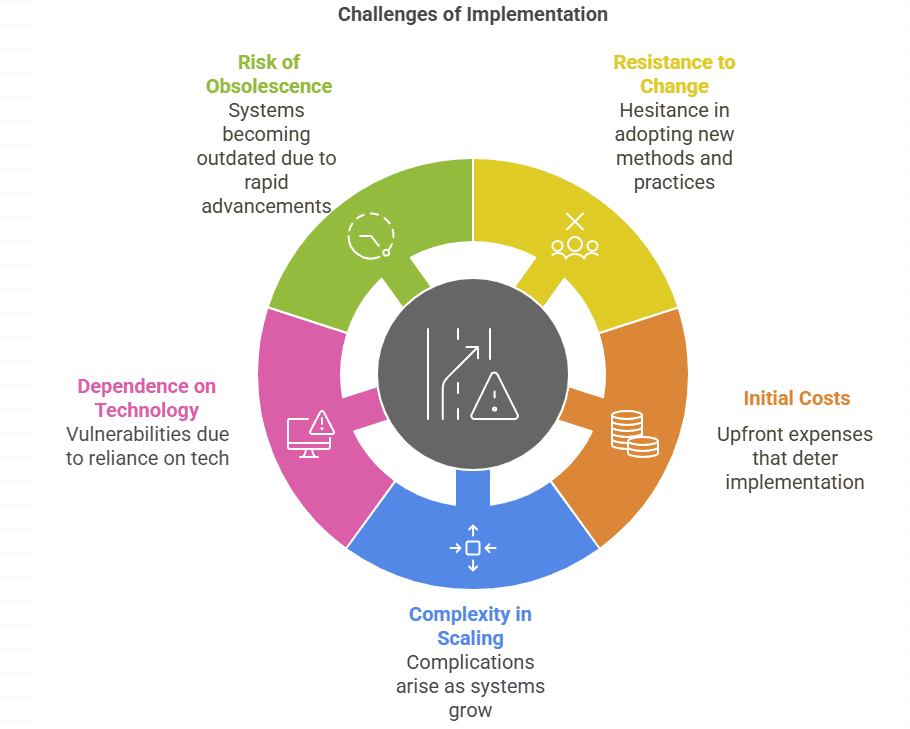
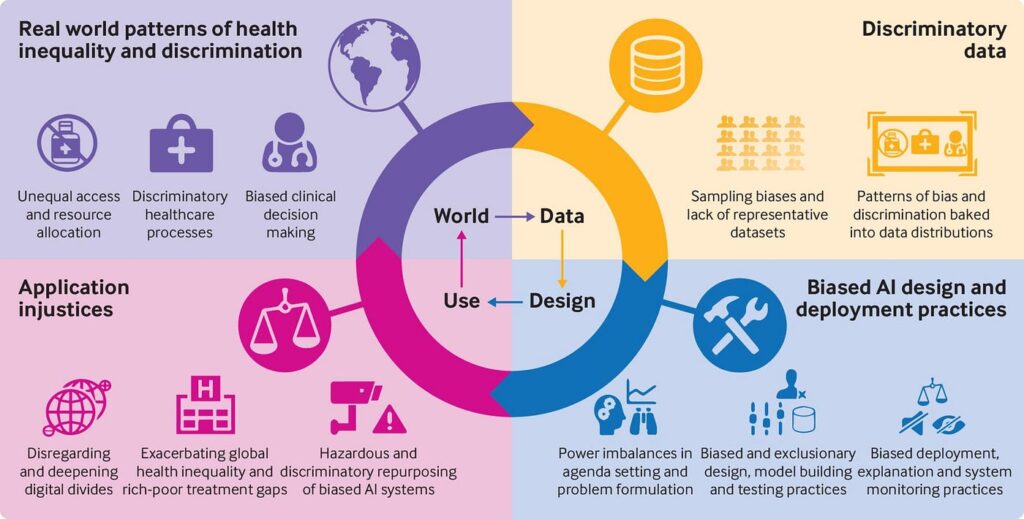
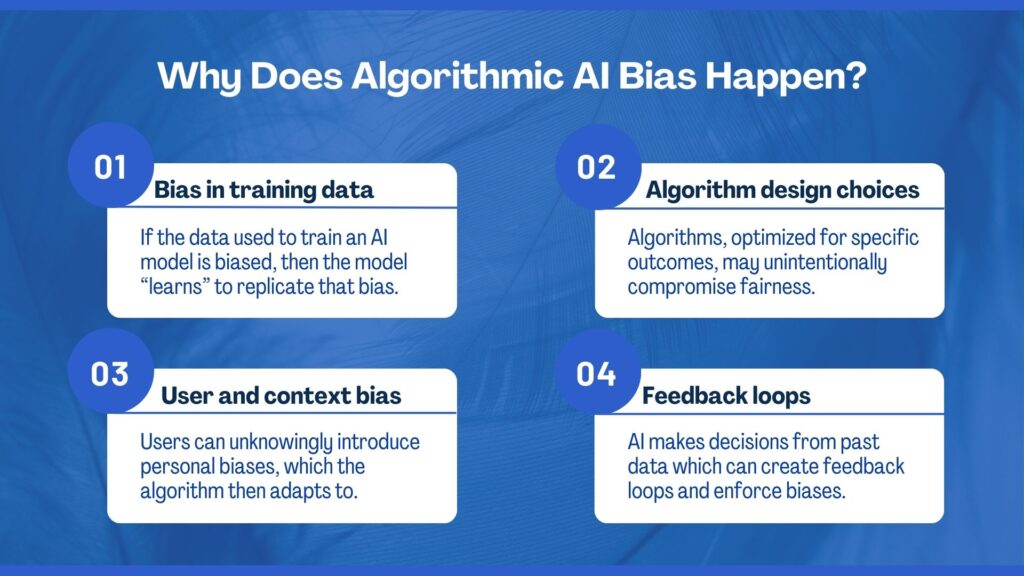
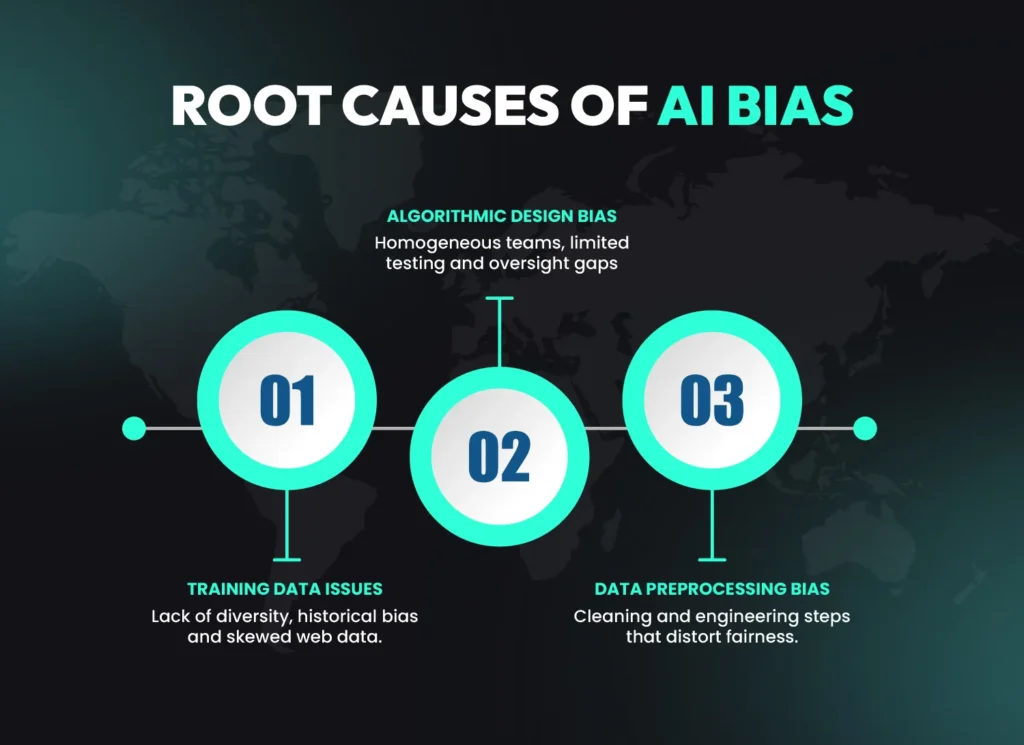
Fairness and Bias: Perfect Equity Is Impossible—Focus on Accountability
Bias persists because data mirrors society. 2025 highlights: Workday’s tools allegedly disadvantaged older applicants; a University of Melbourne study showed accent bias rejected non-native speakers 20% more.
Controversial view: Chasing “perfect fairness” distracts from actionable accountability—who owns errors when AI discriminates?
Mitigation essentials: Diverse datasets, external audits, and fairness metrics.
| Biased Source | 2025 Example | Impact | Mitigation |
|---|---|---|---|
| Training Data | Historically, hiring favored men | Gender disparities | Synthetic balancing |
| Algorithmic | Workday screening | Age/race rejection spikes | Disparate impact testing |
| Deployment | Accent bias in interviews | Talent loss | Inclusive audio training |
Sources: EEOC settlements, academic studies (verified January 2026).
Privacy and Data Protection
AI thrives on data, but 2026 sees converging GDPR/EU AI Act enforcement (fines up to 7% revenue). US states like Colorado require audits of data related to children.
Trend: Differential privacy techniques are gaining traction.
Accountability and Oversight
Human-in-the-loop remains critical for high-risk decisions. The EU AI Act sets autonomy thresholds.
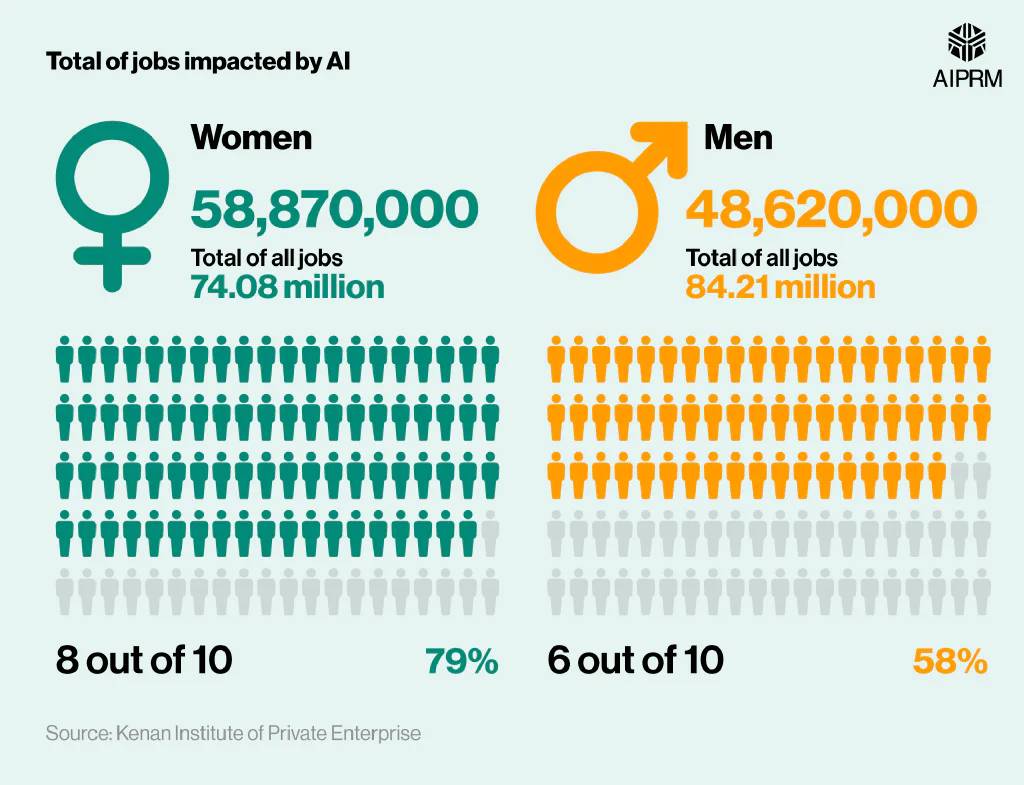
Workforce Displacement
The report indicated a 35% drop in entry-level clerical hiring (Bernard Marr, 2025). WEF projections: Significant shifts, mitigated by reskilling.
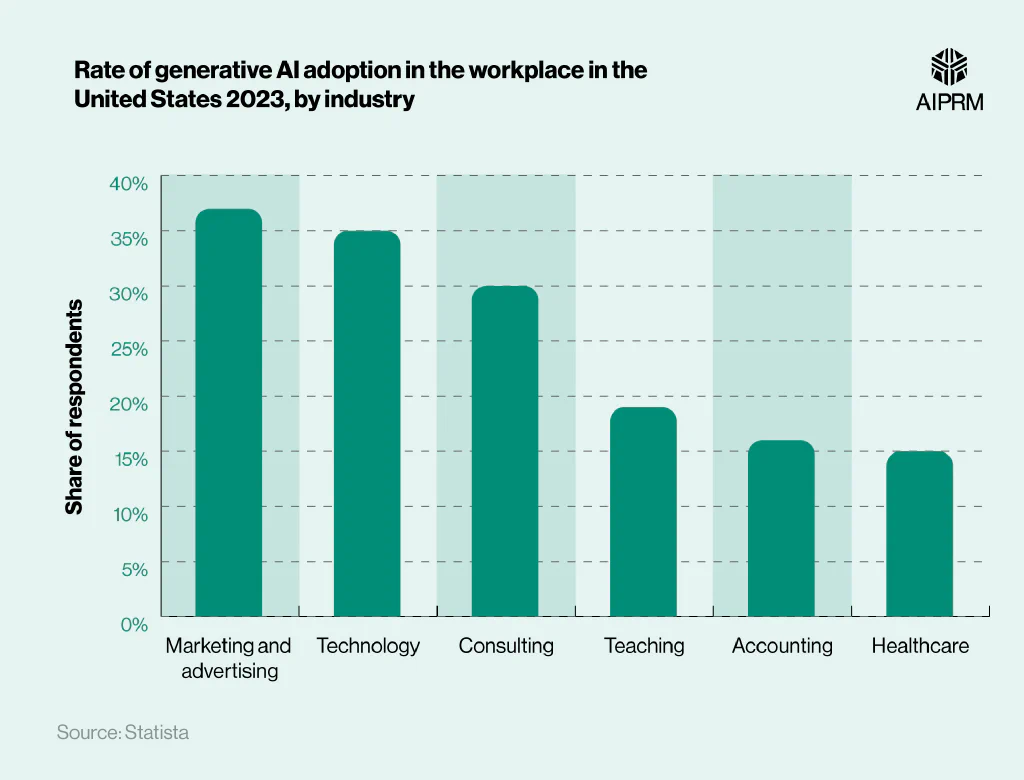
Job Impact Overview (aggregated from WEF and Statista data):
[The chart would show sectors like admin (high risk), creative (medium), and manual (low).]
2026 Regulatory Reality Check
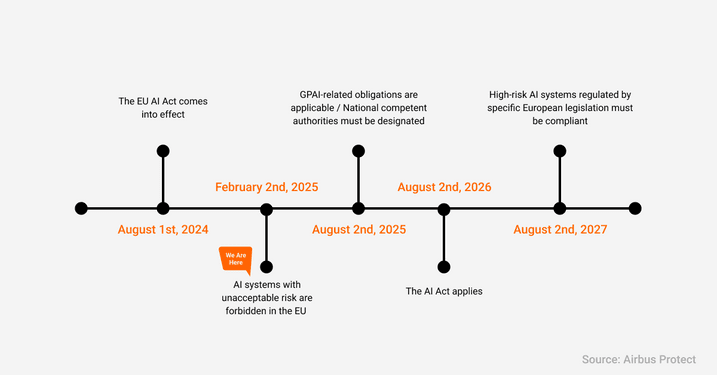
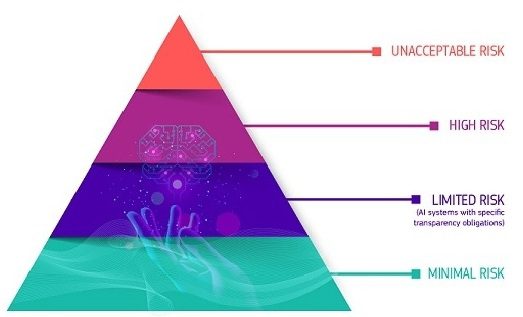
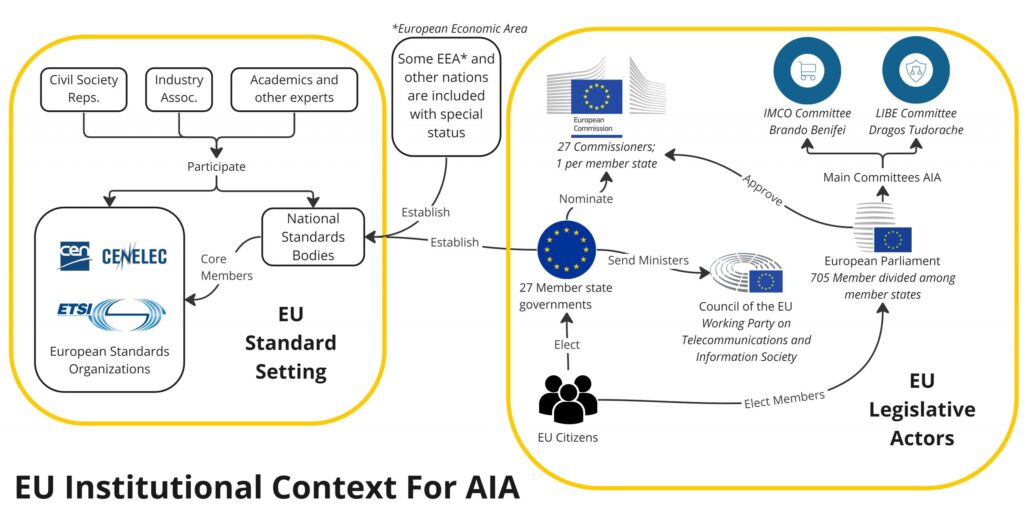
EU AI Act: Full high-risk rules in August 2026; prohibited practices already banned.
US States: The Colorado AI Act (Feb 2026) requires impact assessments; California has transparency mandates.
Global: Dynamic frameworks emerging for agentic AI.
| Jurisdiction | Key 2026 Focus | Enforcement Timeline | Penalties |
|---|---|---|---|
| EU | Risk classification, transparency | August 2026 full | Up to 7% revenue |
| Colorado | High-risk assessments | February 2026 | Fines, injunctions |
| California | Disclosures, chatbot safeguards | January 2026 onward | Varies by violation |
Sources: EU Commission, state legislatures (January 2026).
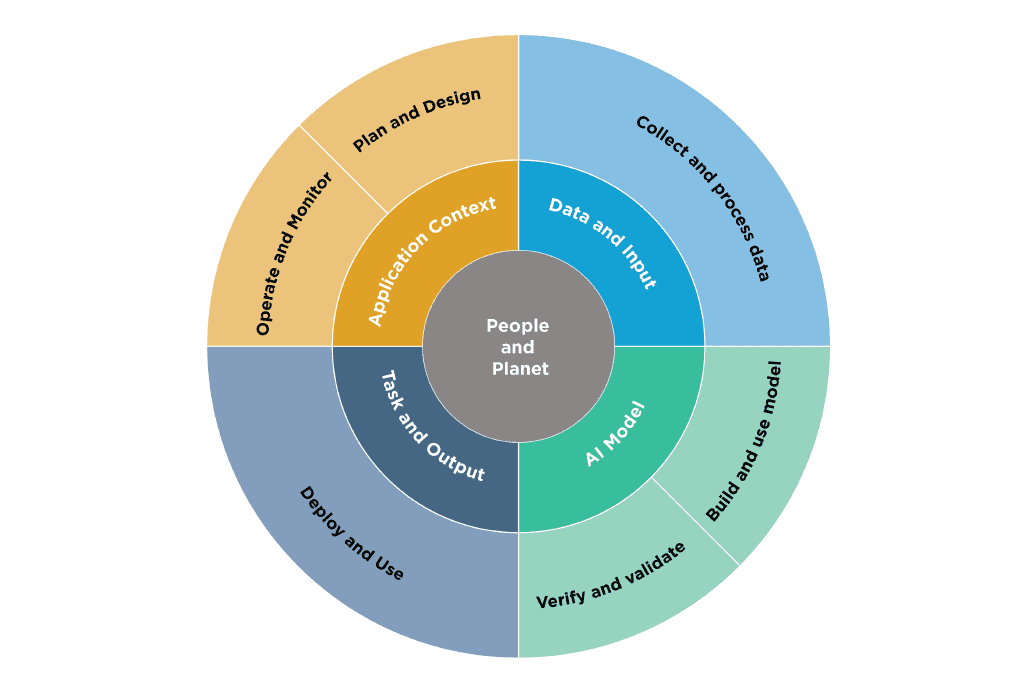
Frameworks That Work—and Their Limits
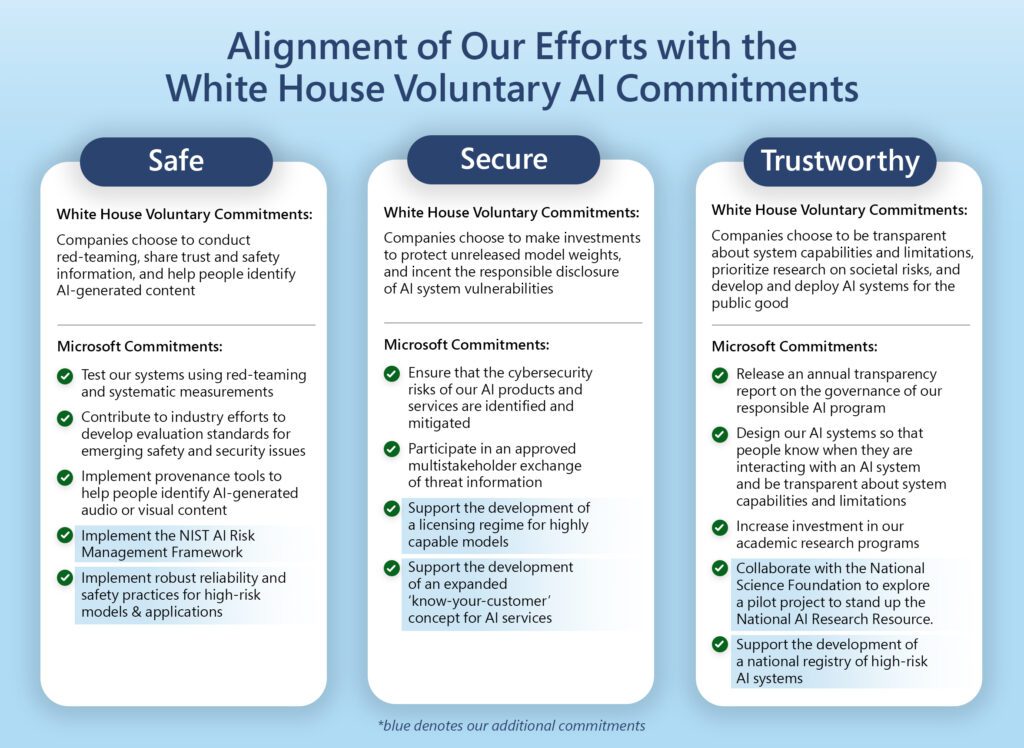
Microsoft is strong in reliability and privacy.
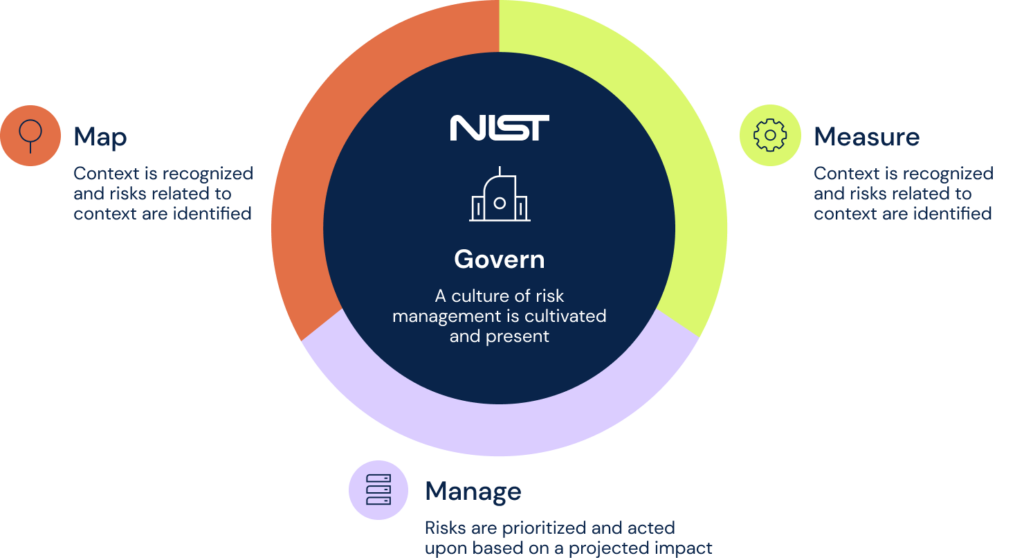
NIST AI RMF: Risk-focused and voluntary but benchmarked.
UNESCO: Human-rights-centered, global adoption.
Critique: Guidelines alone fail without enforcement—pair with audits.
Practical Implementation: Ethical AI Pipeline
- Map systems and risks.
- Build cross-functional governance (legal, ethics, tech).
- Audit biases/privacy quarterly.
- Embed controls in the code.
- Train teams on real failures.
- Monitor drift continuously.
- Publish transparent reports.
Checklist:
- Diverse data sources verified
- Bias metrics below thresholds
- Privacy assessments complete
- Human oversight defined
Custom Ethics Audit Table
| Area | Key Questions | Self-Score (1-10) | Recommended Actions |
|---|---|---|---|
| Bias | Quarterly audits? Diverse data? | Implement SHAP/LIME reviews | |
| Privacy | Consent flows? Minimization? | Adopt differential privacy | |
| Accountability | Oversight protocols? Liability map? | Define roles per NIST |
Pro Tips for 2026
Start with pilots in low-risk areas.
Vet vendors for proven frameworks (Microsoft, IBM).
Track trust metrics alongside ROI.
Monitor trends via Bernard Marr, KDnuggets, and Forbes.
Links: https://bernardmarr.com, https://kdnuggets.com, https://forbes.com/sites/bernardmarr, https://unesco.org/en/artificial-intelligence, https://microsoft.com/en-us/ai/responsible-ai, https://nist.gov/itl/ai-risk-management-framework, https://artificialintelligenceact.eu, https://eeoc.gov.
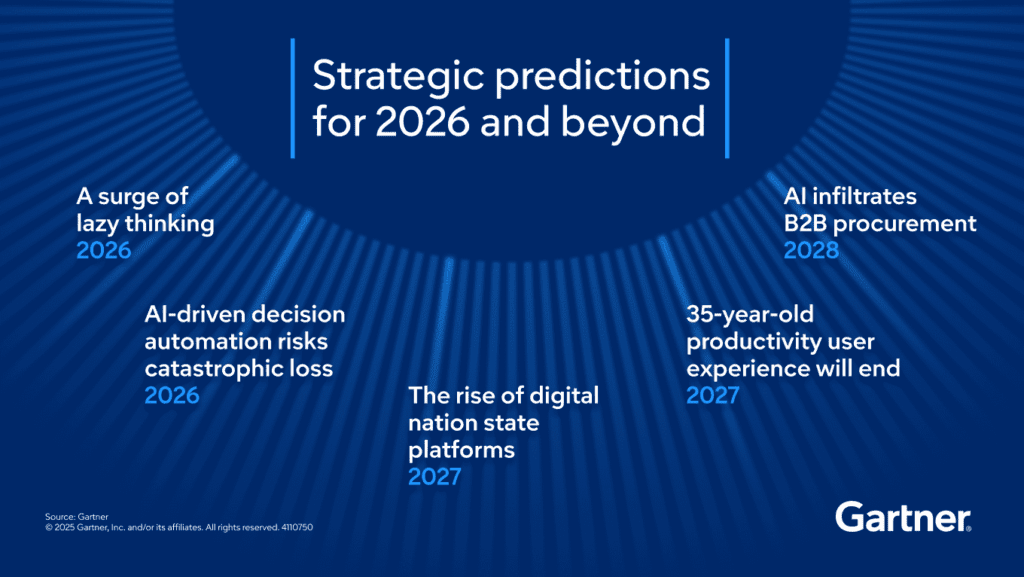
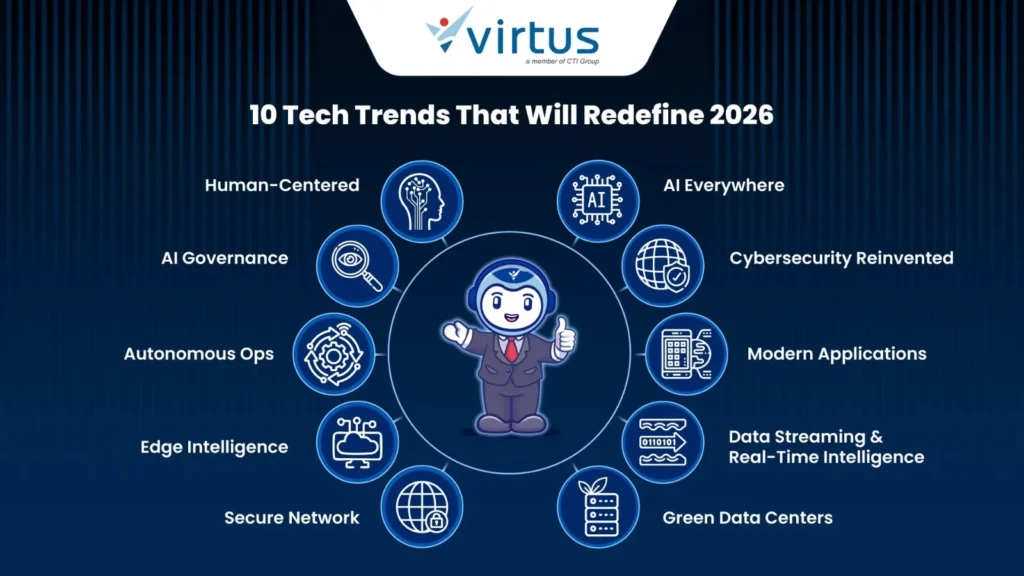
2026 and Beyond: Agentic AI and Dynamic Governance
Agentic systems raise new risks—autonomy without oversight.
Forecasts: Adaptive policies, international alignment, and ethics as a competitive edge (Marr, KDnuggets).
Deepfakes: Mandatory labeling is incoming.
People Also Ask + FAQ Merged
- Key issues? Bias, privacy, accountability.
- Mitigate bias? Audits, diverse data.
- 2026 regulations? The EU Act is full, and the US states are active.
- Transparency role? It fosters trust and facilitates accountability.
- Job impact? Shifts, not total loss—reskilling is key.
- Best frameworks? NIST, Microsoft.
- 2026 regulations? The EU Act is in force, and the US states are active. Recent failures? The case of age bias in Workday is one example.
- Conduct an audit? Map, test, document.
- Human oversight? Mandatory high-risk.
- Future trends? Future trends may include dynamic governance and the use of agentic rules.
- Overrated principle? Perfect fairness—prioritize accountability.
- Costly errors? Some settlements amount to hundreds of thousands of dollars.
- Agentic risks? Unchecked decisions.