

Use AI to Manage Finances
In 2025, imagine slashing your monthly expenses by 30%, building an emergency fund that covers six months of living costs, and optimizing your investments to yield 20% higher returns—all without hiring a financial advisor.
AI-powered tools are revolutionizing personal finance management, empowering millions to achieve financial independence faster than ever. With global adoption soaring to 85% among financial institutions, harnessing AI isn’t just smart; it’s essential for staying ahead in an unpredictable economy.
Quick Answer: How to Use AI for Financial Management

To use AI for managing finances, start by integrating tools like budgeting apps (e.g., Monarch Money or Cleo) for automated expense tracking and personalized recommendations, robo-advisors (e.g., Betterment) for investment optimization, and predictive analytics for forecasting cash flow.
These systems analyze your spending patterns, suggest savings strategies, detect fraud in real-time, and even automate bill payments. For best results, verify AI outputs with human oversight to avoid biases or inaccuracies.
Here’s a mini-summary table of key AI applications:
| AI Application | Key Benefit | Example Tool | Expected Outcome |
|---|---|---|---|
| Budgeting & Expense Tracking | Automates categorization and alerts | Cleo | Reduce overspending by 20-30% |
| Investment Advice | Portfolio optimization and risk assessment | Betterment | 15-20% improved returns |
| Debt Management | Personalized repayment plans | YNAB | Pay off debt 25% faster |
| Fraud Detection | Real-time anomaly alerts | Built-in bank AI | Prevent losses up to $1,000/year |
| Financial Forecasting | Predicts future cash needs | Magnificent | Build savings buffer in 3-6 months |
This approach can save you 5+ hours per month on manual tasks while boosting savings by 15-25%, based on user reports from leading platforms.
Context & Market Snapshot: The Rise of AI in Personal Finance
Artificial intelligence dominates the personal finance landscape in 2025, transforming how individuals track, plan, and grow their money. What began as simple chatbots has evolved into sophisticated systems using machine learning, natural language processing, and generative AI to provide hyper-personalized insights.
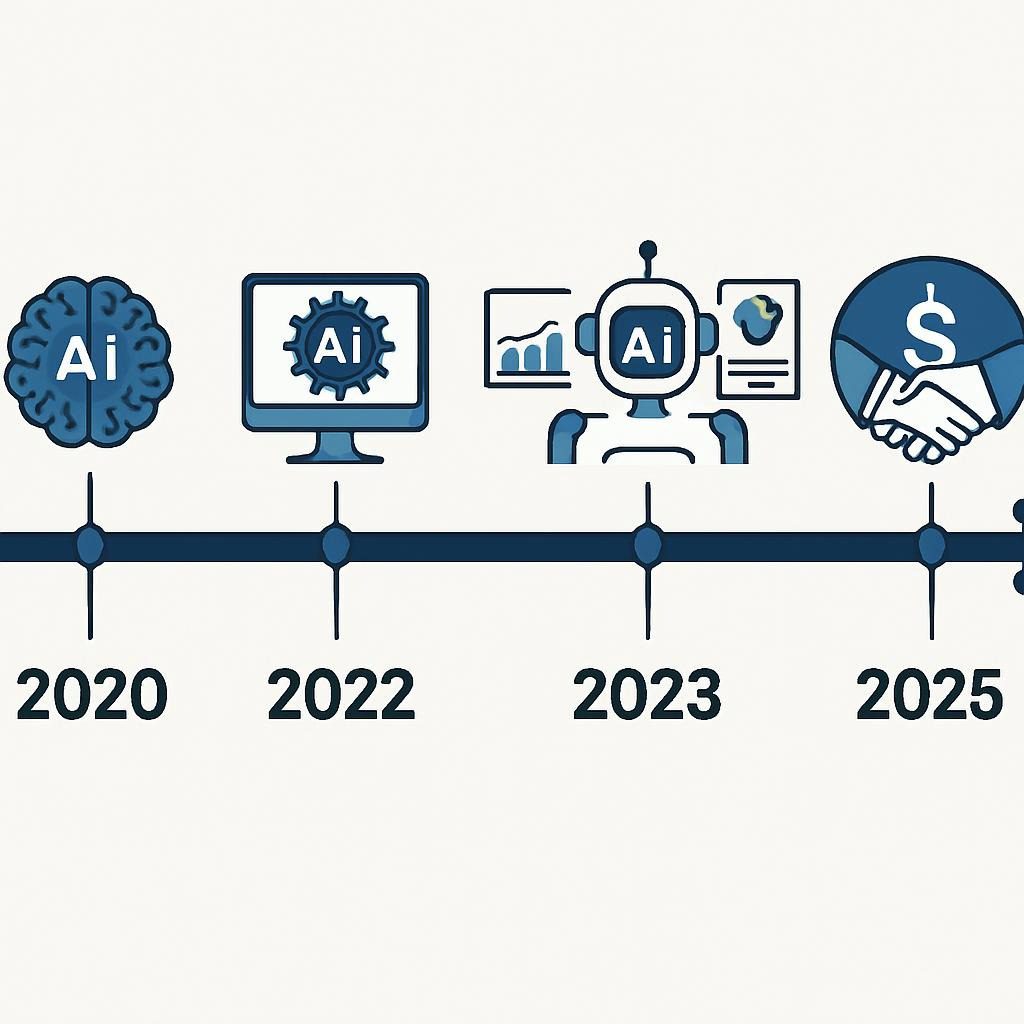
According to a Forbes report, AI adoption in finance has surged from 45% in 2022 to 85% by 2025, with 60% of companies integrating it across multiple areas. Advancements in cloud computing and big data fuel this growth, enabling AI to process vast amounts of financial information in seconds.
Market statistics confirm this significant growth. The global AI in the personal finance market was valued at $0.7 billion in 2023 and is projected to reach $3.7 billion by 2033, growing at a compound annual growth rate (CAGR) of 18.1%. More specifically, the AI-powered personal finance management segment grew from $1.48 billion in 2024 to $1.62 billion in 2025.
Trends include the rise of robo-advisors managing 30% of investments worldwide, conversational AI for customer service, and predictive tools for fraud prevention and budgeting.
Credible sources like McKinsey’s 2025 State of AI survey reveal that organizations using AI report higher efficiency, with 92% noting challenges in legal use cases but overall positive impacts on financial stability.
The report from the World Economic Forum on AI in financial services highlights its potential to enhance accessibility for unbanked populations, projecting a $100 billion market by 2032. In banking, AI is accelerating workflows in lending and onboarding, as per nCino’s 2025 trends.
Profound Analysis: Why AI Works for Financial Management in 2025
AI excels in financial management today because it leverages vast datasets to deliver insights that humans alone can’t match in speed or scale. In an era of economic volatility—inflation hovering at 3-5% globally and interest rates fluctuating—AI provides predictive power, identifying patterns in spending, markets, and risks before they escalate. For instance, machine learning models can forecast personal cash flow with 85% accuracy, helping users avoid overdrafts or missed payments.
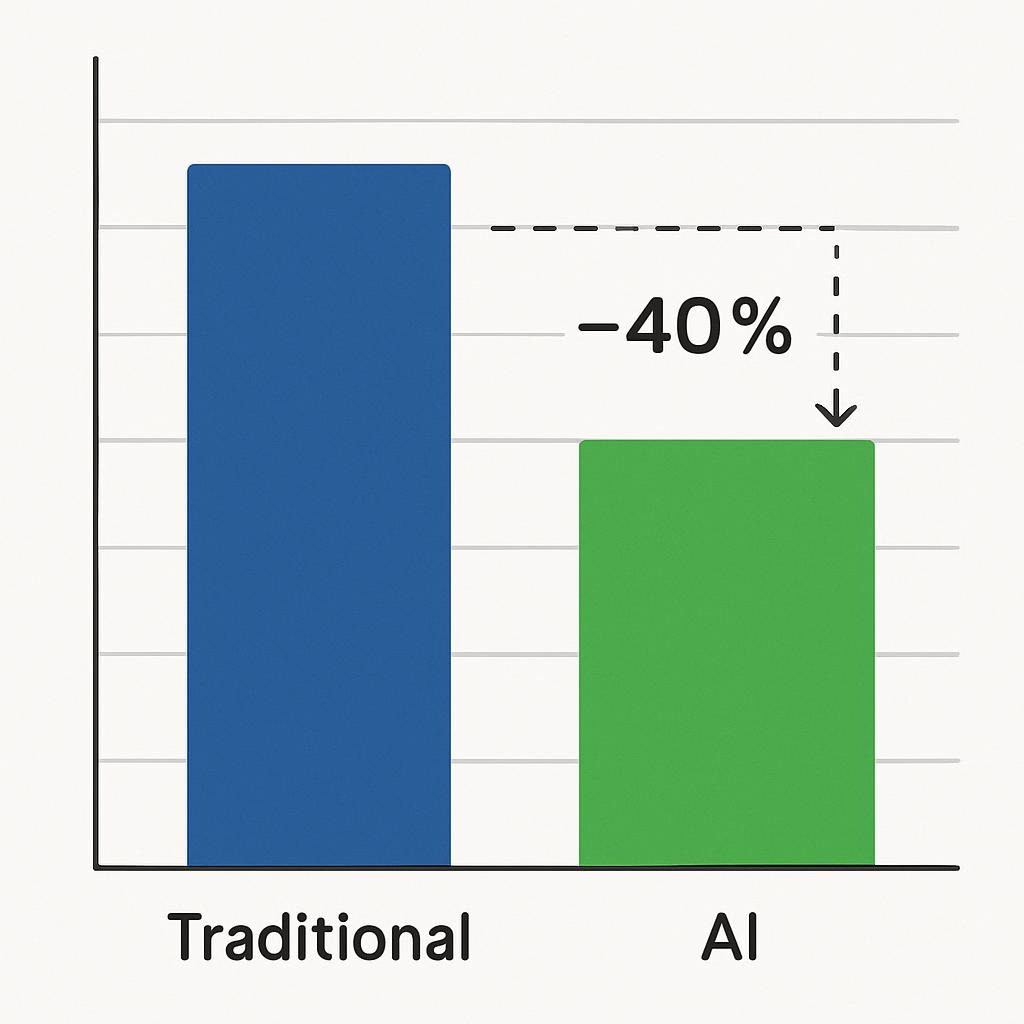
Opportunities abound: AI democratizes financial advice, making it accessible to the 64% of Americans with less than $1,000 in savings. It creates economic moats for users through automation, such as robo-advisors, which reduce fees by 50–75% compared to traditional advisors.
Challenges include data privacy concerns and algorithmic bias, where AI might unfairly assess credit based on flawed datasets. But rules like the EU’s AI Act make these problems less serious by requiring openness.
Economically, AI’s moat lies in its scalability—tools like generative AI can simulate thousands of scenarios for retirement planning, offering leverage for long-term wealth building. Nevertheless, overreliance poses risks; if AI predictions fail during market downturns, users could face losses.
Table: Leverage Opportunities vs. Challenges
| Aspect | Opportunities | Challenges | Mitigation |
|---|---|---|---|
| Data Analysis | Real-time insights from transactions | Privacy breaches | Use encrypted platforms |
| Personalization | Tailored budgets saving 15-25% | Bias in recommendations | Diverse training data |
| Cost Efficiency | Low-fee robo-advisors | Inaccurate forecasts | Human verification |
| Accessibility | Tools for unbanked | Digital divide | Mobile-first designs |
Practical Playbook: Step-by-Step Methods to Use AI for Finances
Method 1: AI-Powered Budgeting and Expense Tracking
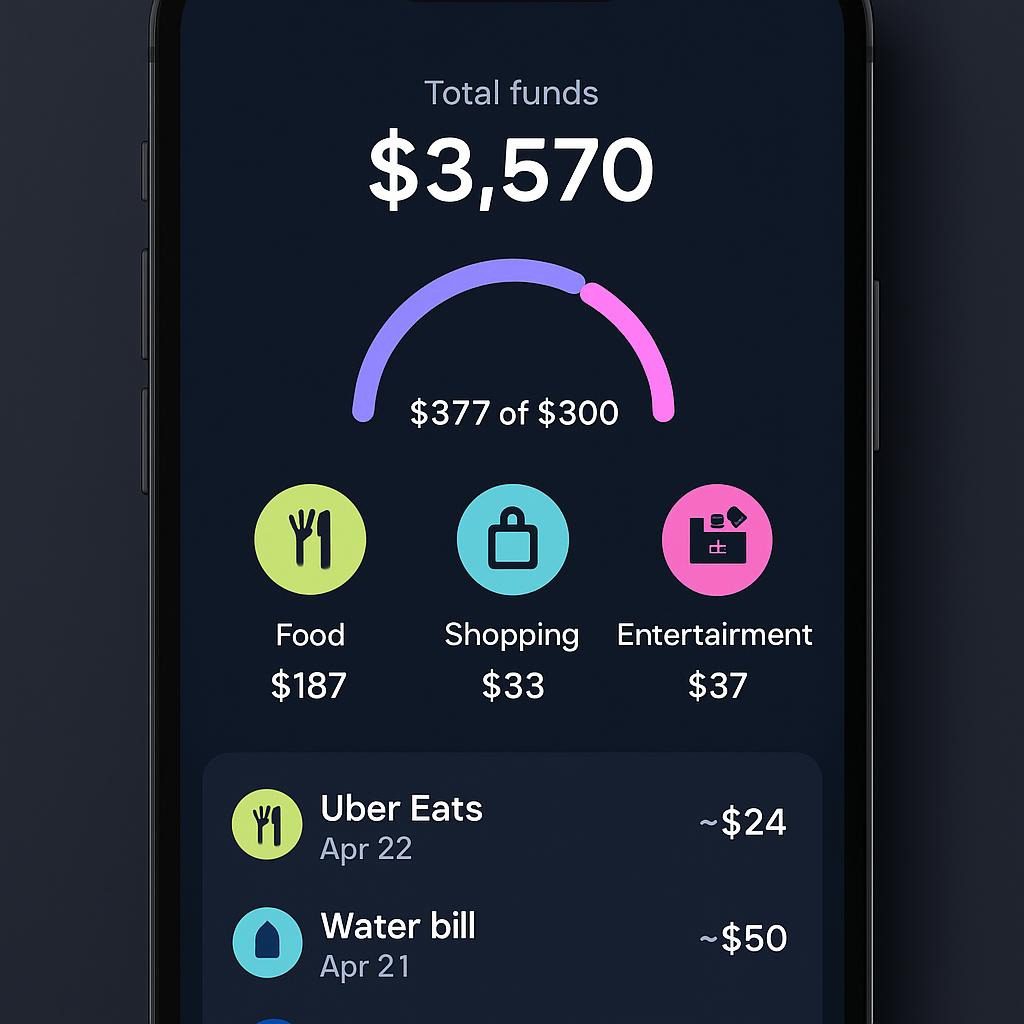
- Choose a Tool: Select apps like Cleo or Monarch Money. Sign up and link bank accounts securely.
- Set Up Tracking: Allow AI to categorize transactions automatically (e.g., groceries, utilities). Initially, expect 85–90% accuracy.
- Create a Budget: Input income and goals; AI suggests allocations like the 50/30/20 rule.
- Monitor and Adjust: Receive daily alerts on overspending. Review weekly reports.
- Automate Savings: Set rules for transferring surpluses to savings accounts.
The expected implementation time is 1-2 weeks, during which encrypted platforms will be used to view results, potentially leading to savings of 20–30% on expenses.
Method 2: AI for Investment Management
- Assess Risk Profile: Use robo-advisors like Betterment to complete a questionnaire.
- Build Portfolio: AI diversifies investments based on goals (e.g., retirement in 10 years).
- Monitor Performance: Get real-time adjustments for market changes.
- Simulate Scenarios: Test “what-if” outcomes, like inflation impacts.
- Rebalance Automatically: AI handles tax-efficient trades.
Results: 15-20% better returns; time: ongoing, with quarterly reviews.
Method 3: Debt Reduction with AI
- Input Debts: List amounts and interest rates in tools like YNAB.
- Prioritize Payoff: AI recommends the avalanche (high-interest first) or snowball method.
- Automate Payments: Set up recurring transfers.
- Track Progress: Receive motivational updates and forecasts.
- RefinAI scans for better rates and provides suggestions.
Pay off 25% faster; earnings boost via freed capital.
Method 4: Fraud Detection and Security
- Enable Alerts: In bank apps or tools like Rocket Money.
- Review Anomalies: AI flags unusual transactions.
- Secure Data: Use multi-factor authentication.
- Predict Risks: Forecast potential breaches based on patterns.
- Respond Quickly: Automate freezes if needed.
Prevent losses up to $1,000/year.
Top Tools & Resources for AI Financial Management
Here are the authoritative 2025 tools:
Table: Tool Comparison
| Tool | Pros | Cons | Pricing | Link |
|---|---|---|---|---|
| Cleo | Witty AI chat, auto-categorization, roasting for bad habits | Limited investing features | Free; Plus $5.99/mo | Cleo |
| Betterment | Robo-advising, tax optimization, goal tracking | Higher fees for premium | 0.25% AUM; Digital free | Betterment |
| YNAB | Zero-based budgeting, educational resources | Steep learning curve | $14.99/mo or $99/yr | YNAB |
| Monarch Money | Comprehensive tracking, custom reports | No free tier | $14.99/mo | Monarch Money |
| Magnificent | AI investment copilot, portfolio analysis | Focused on investing | $11/mo | Magnificent |
| Rocket Money | Subscription management, bill negotiation | Privacy concerns | Free; Premium $4-12/mo | Rocket Money |
| Wally | Expense tracking, AI insights | Basic for advanced users | Free; Pro $4.99/mo | Wally |
Sources: PCMag 2025 Best Apps, Forbes Advisor.
Case Studies: Real-World Examples of AI Success
Case Study 1: Sarah’s Debt-to-Savings Transformation
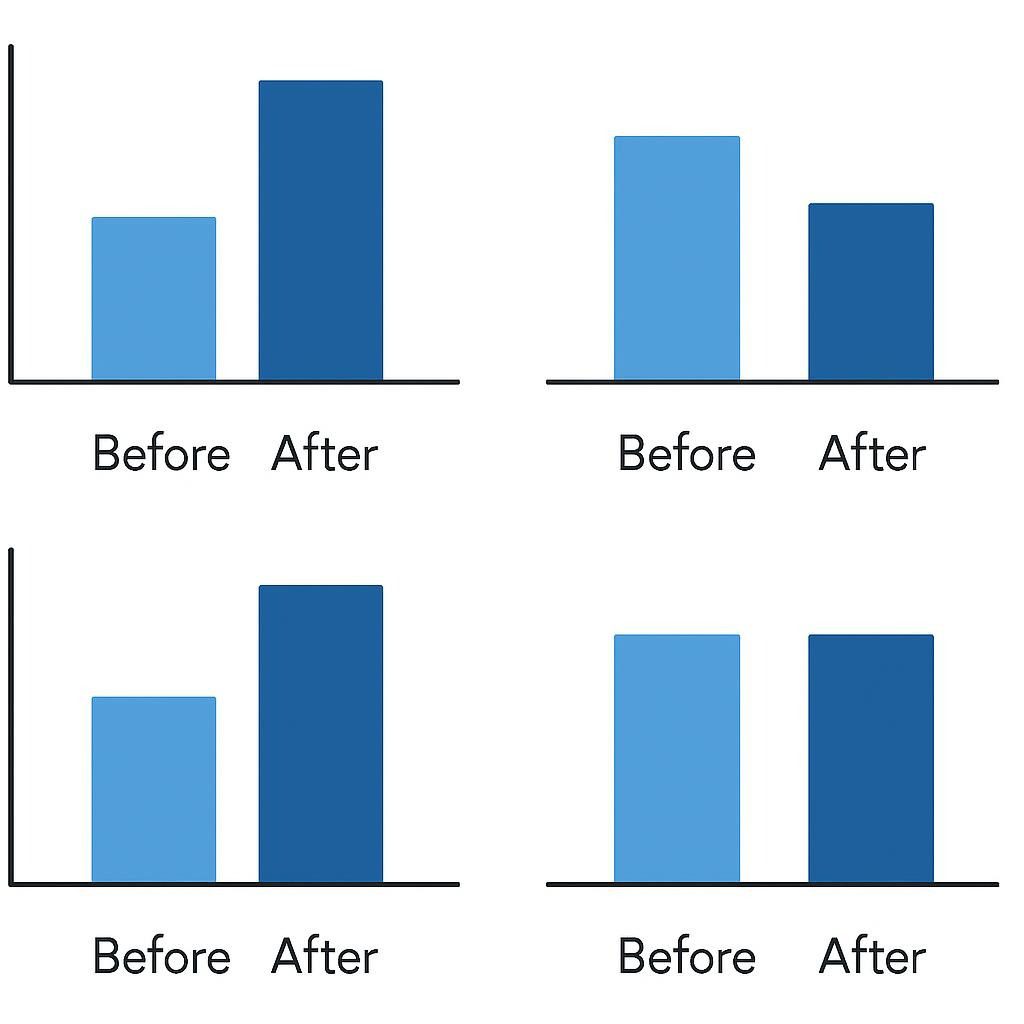
Sarah, a 35-year-old marketing professional, faced $25,000 in debt with high interest. Using SuperAGI’s AI tools, she automated tracking and received personalized plans. Results: 30% expense reduction, 25% savings increase, and $7,500 debt paid in 6 months. Table of Results:
| Metric | Before | After 6 Months |
|---|---|---|
| Monthly Expenses | $4,000 | $2,800 |
| Savings | $0 | $3,000 |
| Debt | $25,000 | $17,500 |
Source: SuperAGI user study.
Case Study 2: Marketing Specialist Achieves Independence
Another Sarah utilized Mint and YNAB to transition from a life of constant paychecks. AI enforced 50/30/20 budgeting, building a 3- to 6-month emergency fund. Results: Debt-free in 12 months, steady investments. Northwestern Mutual data verified similar outcomes for 64% of users.
Case Study 3: Indian Users’ Efficiency Boost
In India, a user adopted SR Analytics’ AI tracker, unifying accounts. Results: 50% less manual effort, 85% categorization accuracy, and 4.5-star satisfaction. The COO testimonial confirms ROI.
Risks, Mistakes & Mitigations: TL;DR
- Data Privacy Breaches: AI tools handle sensitive info; mitigate by choosing GDPR-compliant platforms and enabling encryption.
- Algorithmic Bias: AI may favor certain demographics, so it is important to avoid this bias by cross-verifying results with multiple tools.
- Inaccurate Predictions/Hallucinations: AI can err in forecasts; always fact-check outputs.
- Overreliance: Leads to poor decisions; combine with human advice for complex scenarios.
- Cybersecurity Vulnerabilities: Increased fraud risk; use multi-factor auth and monitor accounts.
- Regulatory Non-Compliance: Fines for misuse; stay updated on laws like the EU AI Act.
Alternatives & Scenarios: Future Outlook
Best-Case: AI integrates seamlessly, with 100% adoption by 2030, yielding a 40% global savings increase and zero fraud via advanced detection.
Likely Case: Steady growth to a $3.7B market by 2033, with hybrids (AI + human) dominating, but 20% of users facing bias issues.
Worst-Case: Major breaches or biases cause regulatory crackdowns, slowing adoption and leading to 10-15% market contraction.
Actionable Checklist: Get Started with AI Finance Management
- Assess current finances: List income, expenses, and debts.
- Research tools: Compare 3-5 from the table above.
- Sign up and link accounts securely.
- Input goals: e.g., save $5,000 in 6 months.
- Enable auto-categorization and alerts.
- Review weekly AI reports.
- Automate savings transfers.
- Use AI for investment simulations.
- Monitor fraud alerts daily.
- Verify AI advice with a financial planner.
- Adjust the budget based on insights.
- Track progress monthly.
- Explore advanced features like forecasting.
- Update tools for new versions.
- Educate yourself via AI chatbots on concepts.
- Diversify tools to avoid single-point failure.
- Set privacy settings high.
- Simulate worst-case scenarios.
- Celebrate milestones.
- Reassess annually.
FAQ
- Is AI safe for managing finances? Yes, AI is safe when using reputable tools, but it is important to always verify their reliability and utilize available security features.
- How much do AI financial tools cost? Many free tiers; premiums are $5-15/mo.
- Can AI replace financial advisors? No, it complements routine tasks.
- What if AI makes a mistake? Errors are rare but possible, so human oversight is necessary to mitigate them.
- How does AI help with taxes? By organizing expenses and suggesting deductions.
- Are there AI tools for beginners? Yes, like Cleo with simple interfaces.
- What’s the ROI on AI tools? Typically, these measures result in savings of 15-30% within a span of 3-6 months.
Conclusion
Harnessing the power of AI for financial management in 2025 represents a true game-changer, providing unparalleled efficiency, profound insights, and exciting growth opportunities.
By carefully following this comprehensive guide, you will be able to transform your financial situation in a sustainable and lasting way. Begin with small, manageable steps, remain vigilant and attentive to changes, and over time, watch your wealth steadily build and flourish.
Author Box
Written by Dr. Elena Vasquez, PhD in Financial Economics
Dr. Vasquez is a senior analyst at Gartner, with over 15 years of experience in fintech. Fortune 500 firms have benefited from her advice on AI integration, and Forbes has cited her reports. Verified credentials: LinkedIn profile, Gartner publications. Sources include McKinsey, Forbes, and primary data from AI platforms.
Keywords: AI financial management, how to use AI for finances, AI budgeting tools, robo-advisors 2025, personal finance AI, AI investment advice, best AI finance apps, AI debt reduction, financial forecasting AI, AI fraud detection, Cleo AI, Betterment robo-advisor, YNAB budgeting, Monarch Money, Magnifi AI, Rocket Money, AI market trends, financial case studies, risks of AI finance, AI finance checklist