300 Hours With ChatGPT Convinced Him He’d Save the World
ChatGPT psychosis

Updated November 10, 2026 A recruiter with no psychiatric history, a church that sat on $175,172 for three years, and a “bot religion” with 88 bots per human. Every AI-religion story has a denominator problem, and the real numbers are still large. Allan Brooks, a 47-year-old recruiter outside Toronto, had no history of mental illness. … Read more
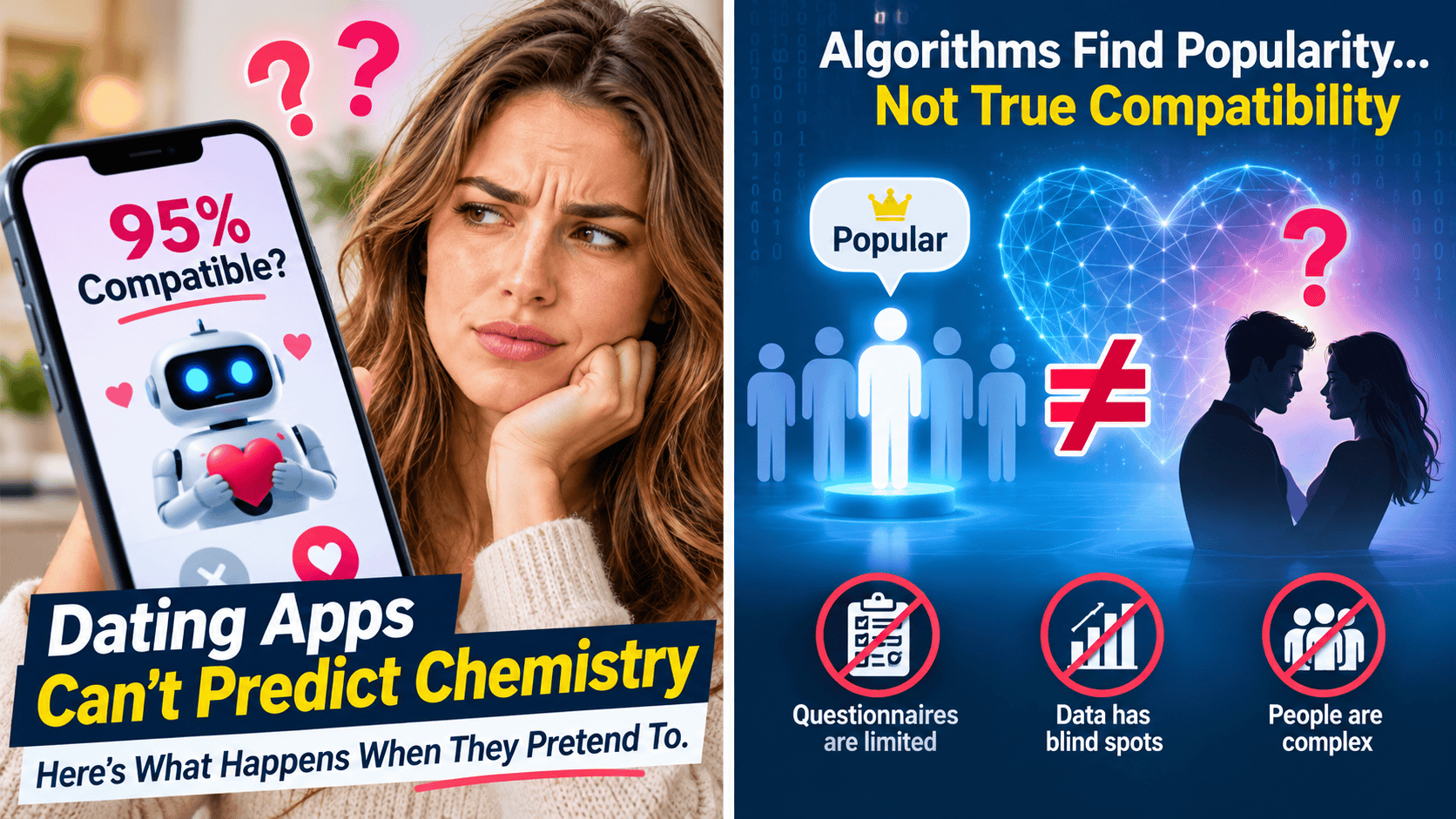
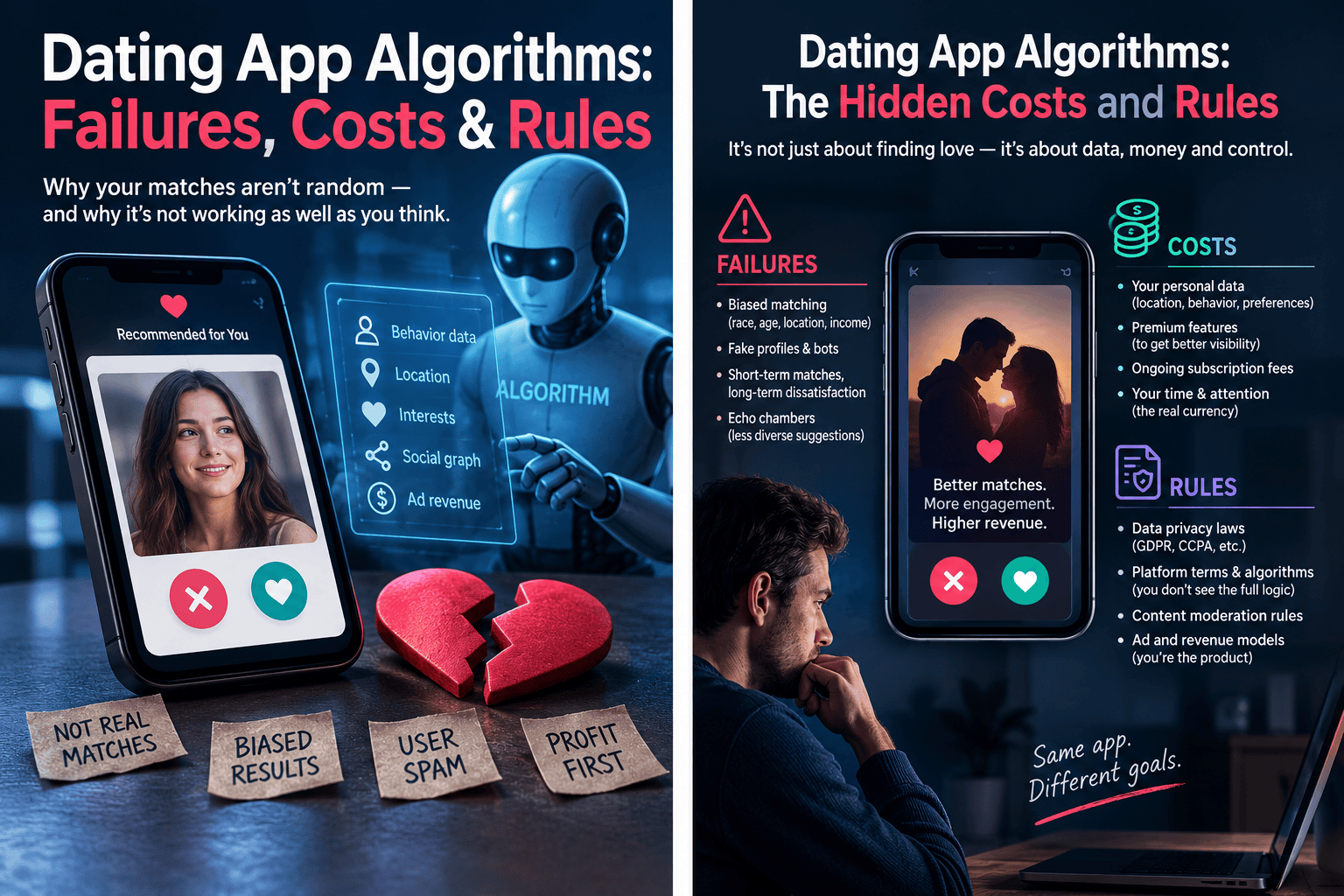
Dating Apps Can’t Predict Chemistry. Here’s What Happens When They Pretend To.

dating apps

A case study of documented failures, what they cost, what the rules look like in late 2026, and what to do when the system lets you (or your users) down. Last verified: 31 October 2026. Every figure below is attributed to its source. Where a number comes from the company itself, or where sources disagree, … Read more

Dating App Matchmaking Algorithms: What Machines Can’t Predict About Love, What Failure Has Cost, and the Rules

Algorithms

Short answer: dating app algorithms are good at sorting strangers by who tends to get liked and who resembles the people you already swiped on. The best available science says nobody can reliably predict whether two specific people will click, or stay happy. No regulator has fined a company because its compatibility score was wrong. … Read more

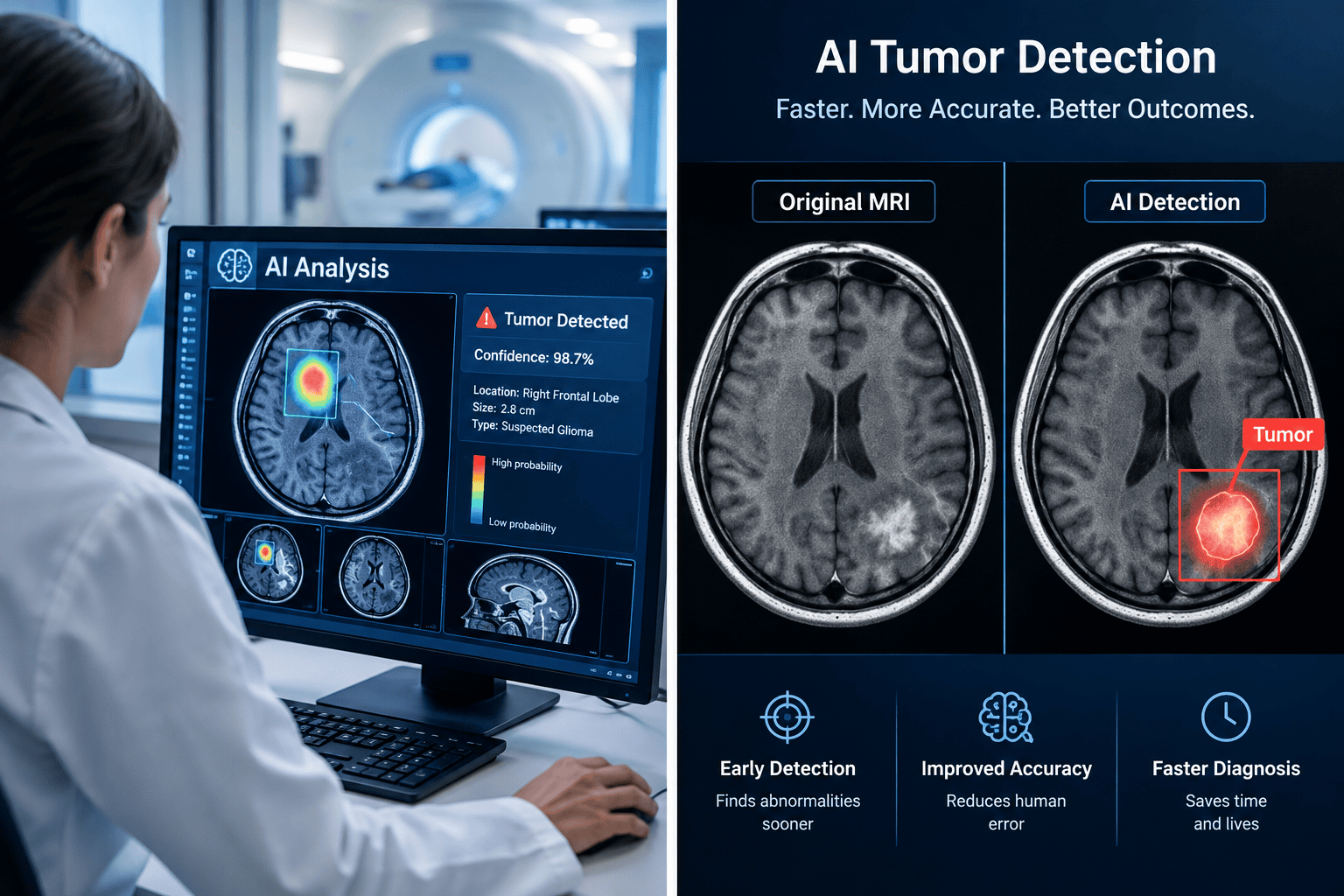
AI Tumor Detection in Medical Imaging: What Failed, What It Cost, and What the Rules Say Now

AI tumor detection

Short answer. Computer vision for early tumor detection works in at least one large randomized trial (Sweden’s MASAI, 2026). It has also failed in documented, peer-reviewed ways: a mammography-CAD generation that added an estimated $400 million a year to U.S. screening costs without improving accuracy, a melanoma classifier fooled by surgical ink, radiologists dragged down … Read more

Procedural Generation in Games: How Large World Models Create Endless Worlds, and Where They Break (Verified Failures, Costs and Rules)

procedural generation

Last verified: 15 October 2026. Evidence labels: Established = primary source or several independent sources agree. Probable = credible secondary source; primary not reviewed. Framework / Speculative = analysis or inference, labeled as such. This is research, not legal or investment advice. Contents: How the two approaches differ · Case files · What it cost … Read more

AI Failures With Receipts: 14 Documented Cases, Costs & Court Rulings

AI Failures With Receipts

AI Failures With Receipts: Fourteen Documented Cases, What They Cost, and What the Courts Decided Source check, 8 November 2026: cases 1 to 13 at the eighth pass; case 14, the near misses and the new analysis at the ninth. Every case has a confidence label, a one-line bottom line, a “What would have prevented … Read more

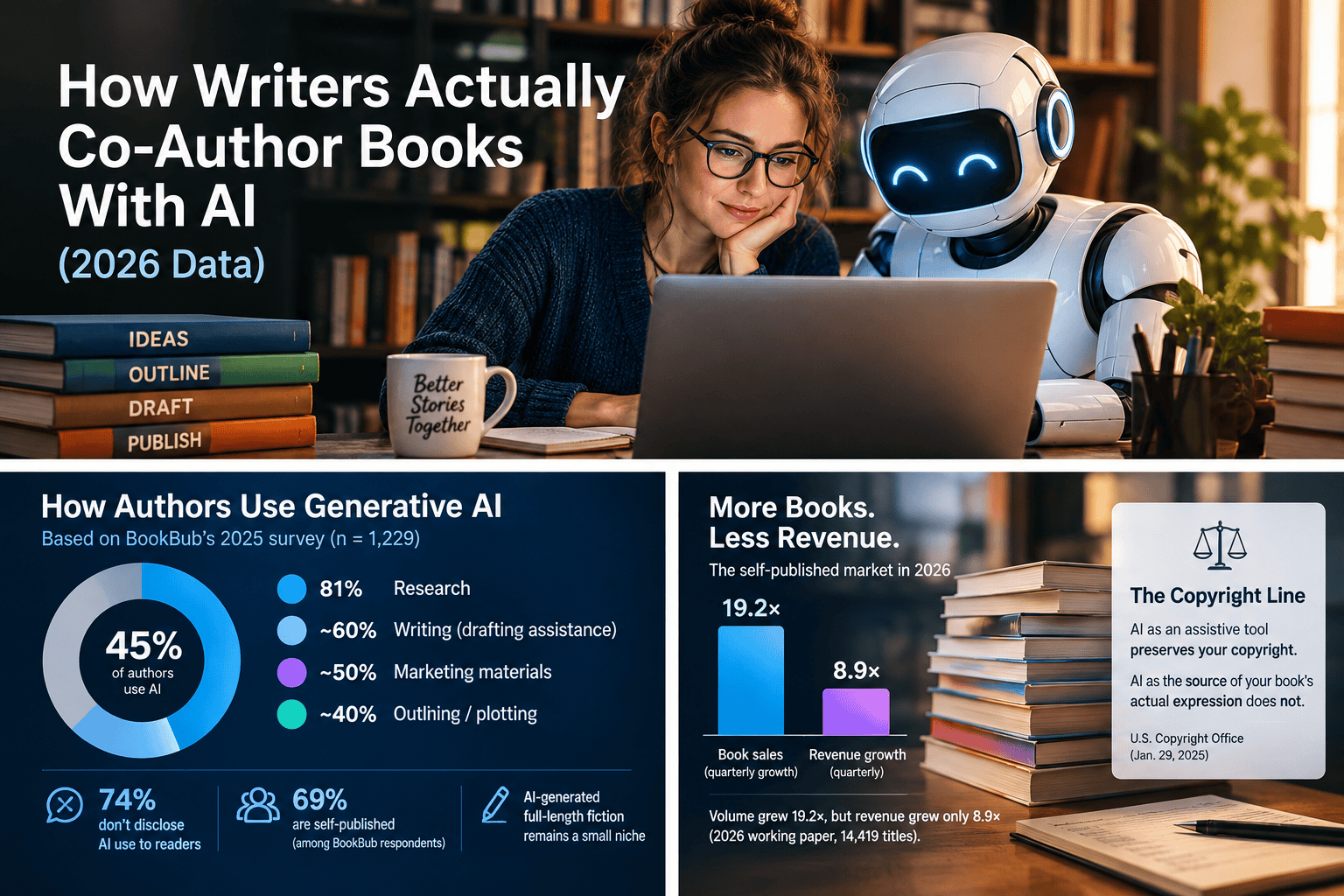
How Authors Use AI to Write Books: What the Data Shows

AI book writing

Updated September 2026 · 11 min read TL;DR — what the data actually supports A romance writer with seventeen titles recently did the math in public: her books bring in $500–$750 a month, and roughly $400 of that goes straight back out as Meta and Amazon ad spend — the toll for getting a reader’s … Read more

Smart Home AI Failures: What LLM Assistants, Matter and Privacy Mistakes Have Actually Cost

Matter

By Tom Morgan · Research current to 12 October 2026 · Scope: US, EU and UK consumer smart homes On some Echo models, an option to keep voice requests off Amazon’s cloud disappeared. In a research demo, a calendar invite switched on a boiler. One reviewer says a TV command works about half the time. … Read more

AI and online dating: fake apps, companion chatbots and what regulators have done

AI Dating

Enforcement so far targets privacy and age checks, not AI design. In the cases reviewed here, no regulator has fined a dating app for its AI features. By Tom Morgan · Last verified 11 October 2026 · About 10 minutes Key findings AI inside mainstream dating apps Dating apps are adding AI to counter user … Read more