Micro-Targeted Political Ads: What Predictive Models Really Do to Voters

micro-targeting

A case study built from the field experiments, regulator findings, and 2025–2026 research. Research current to 6 November 2026. Campaigns are on track to spend about $11.6 billion on political advertising in the 2026 US cycle, according to AdImpact’s June 2026 projection, a record that tops even the 2024 presidential year. By late August, AdImpact … Read more
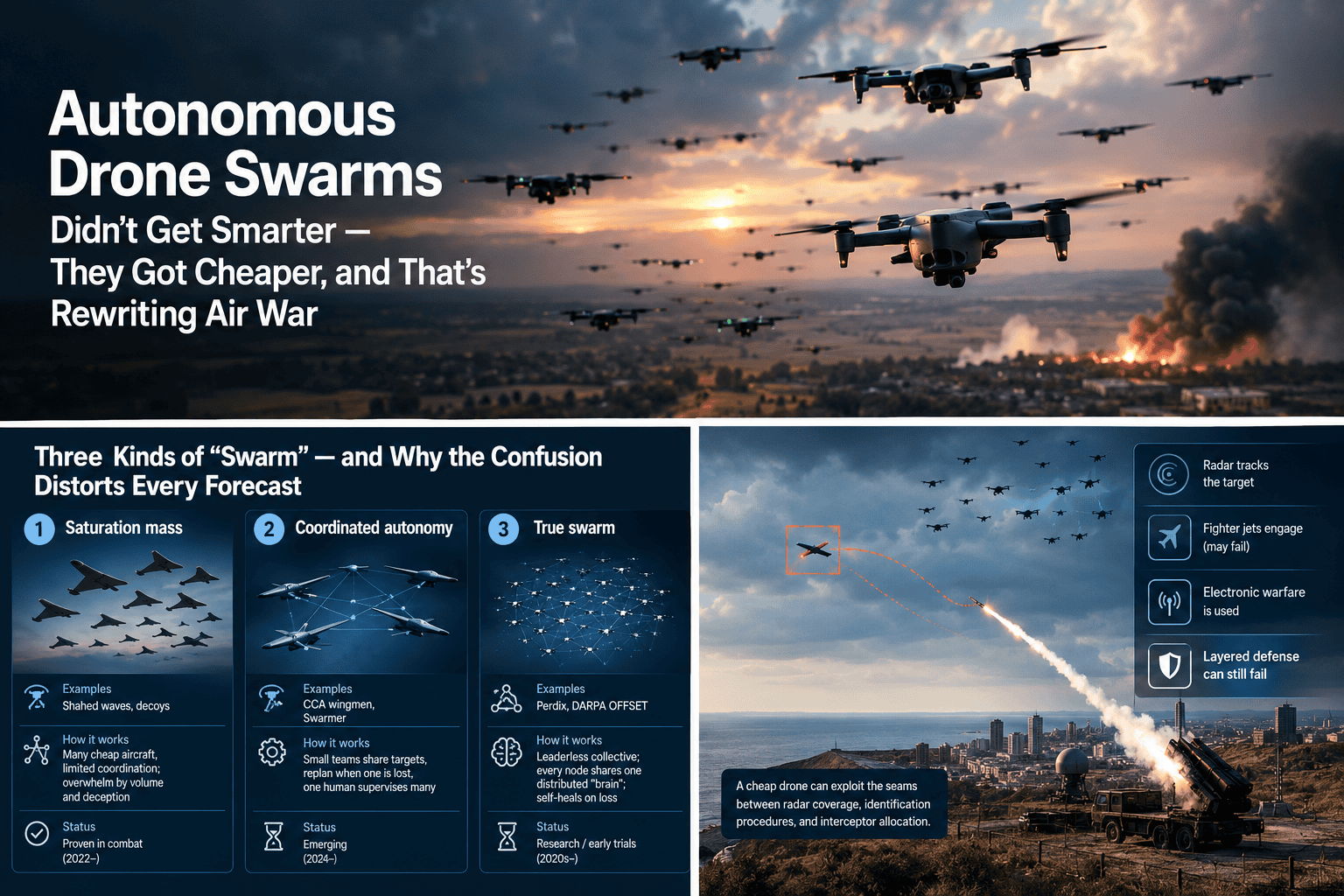
Autonomous Drone Swarms: Why Cost, Not Smarts, Change War

autonomous drone swarms

Defense & Emerging Technology Correspondent · Research assisted by AI, fact-checked and edited by a human editor · Updated September 2026 Quick answer: Autonomous drone swarms are changing military tactics by collapsing the cost of mass: coordinated groups of cheap drones saturate and deceive air defenses built to stop a handful of expensive targets. But … Read more

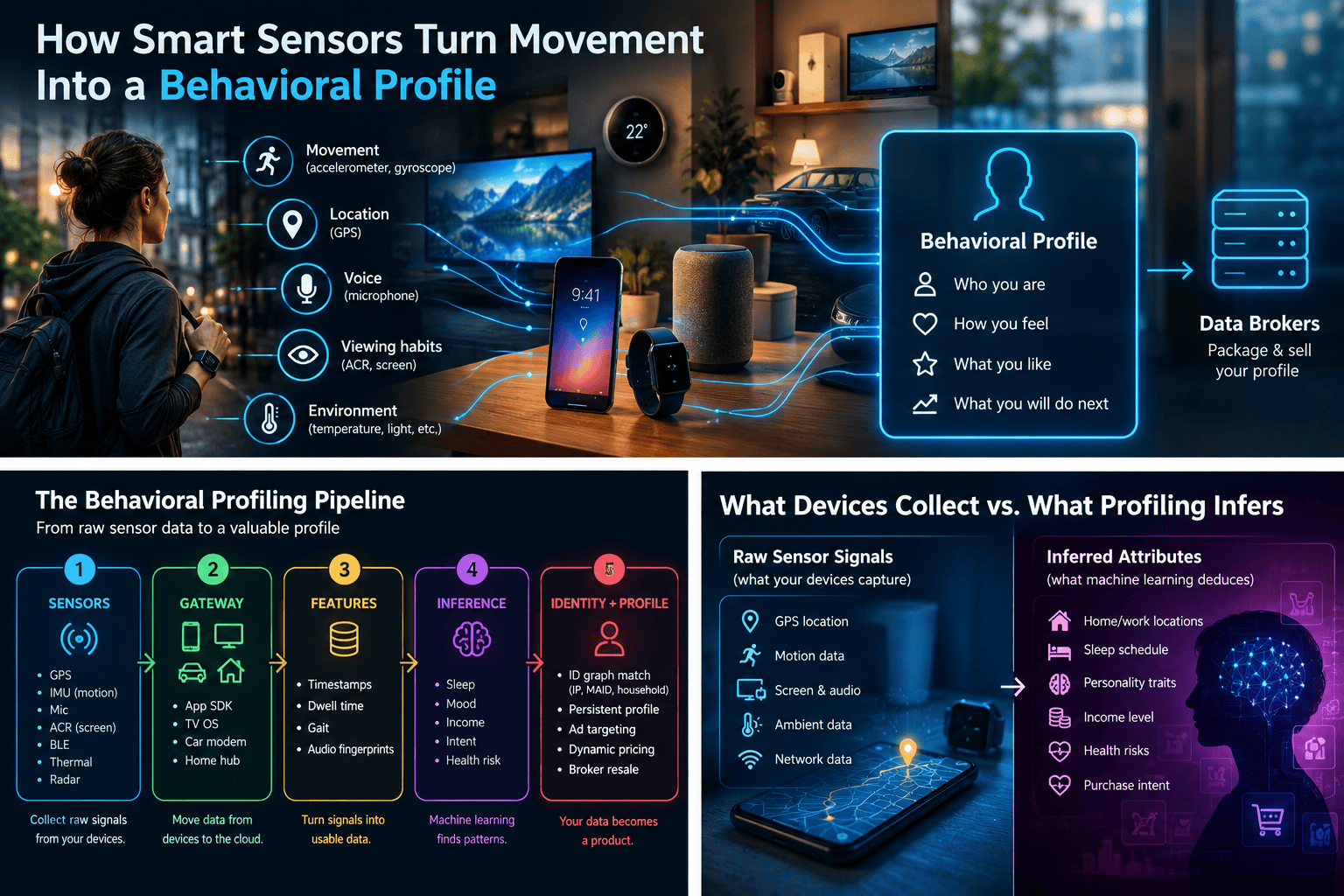
Smart Sensors and Privacy: How Movement Becomes a Profile

behavioral profiling

Direct answer: Smart sensors — the accelerometers, GPS radios, microphones, and ambient sensors inside your phone, TV, car, thermostat, and wearable — continuously capture behavioral signals like movement, location, voice, and viewing habits. Machine learning systems turn those raw signals into inferences about who you are, how you feel, and what you’ll do next, and … Read more

Self-Driving Car Ethics: Why the Trolley Problem Misleads

Self-Driving Car

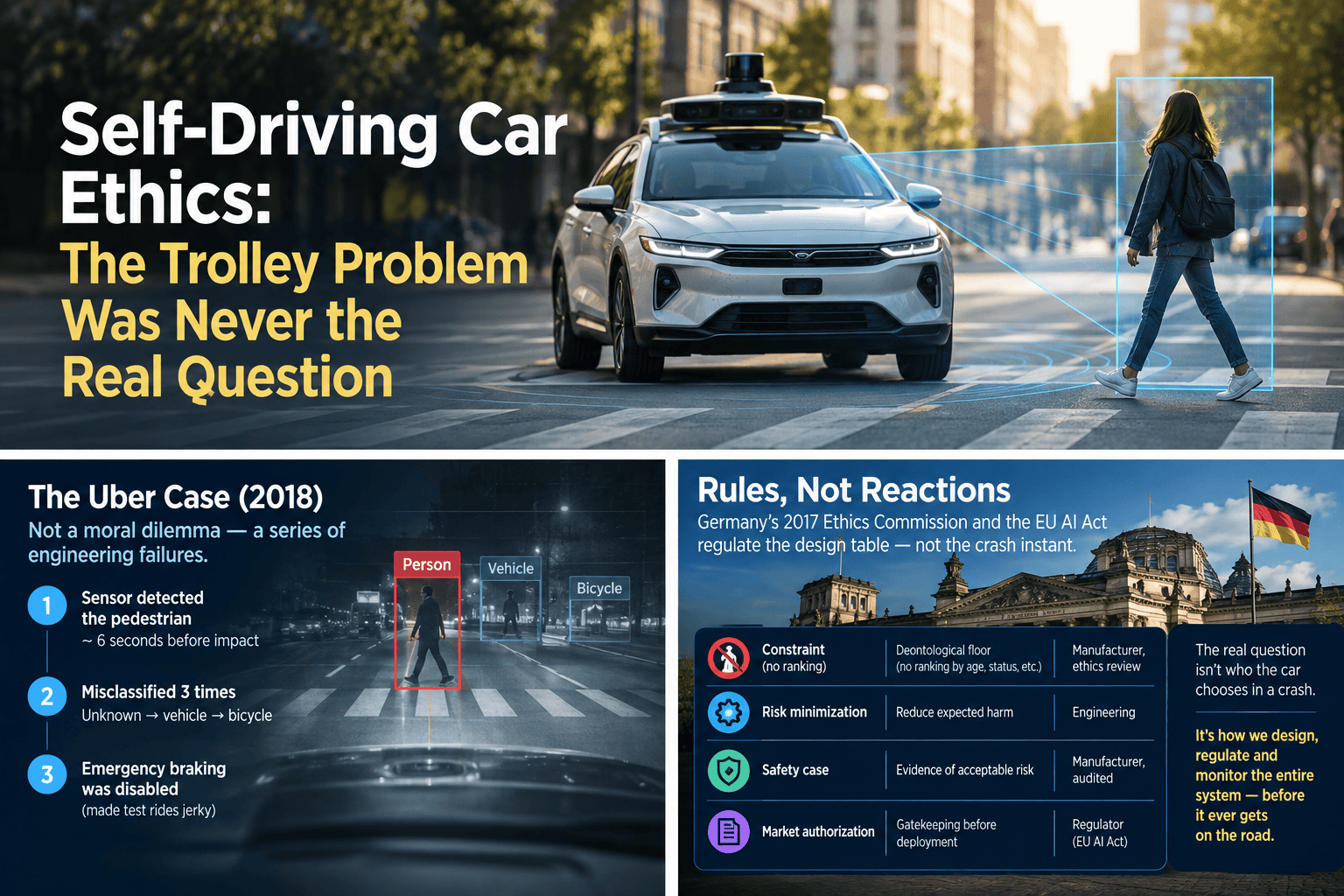
Confidence key: Established = confirmed by primary sources · Probable = strong evidence with some interpretation · Speculative = my interpretation, open to debate TL;DR: Self-driving systems don’t decide who lives or dies. They aim to minimize expected harm based on one clear principle: never prioritize one person over another. The death that got misread … Read more

The Chip Export Controls: Why the Chokepoint Is Falling

AI export controls

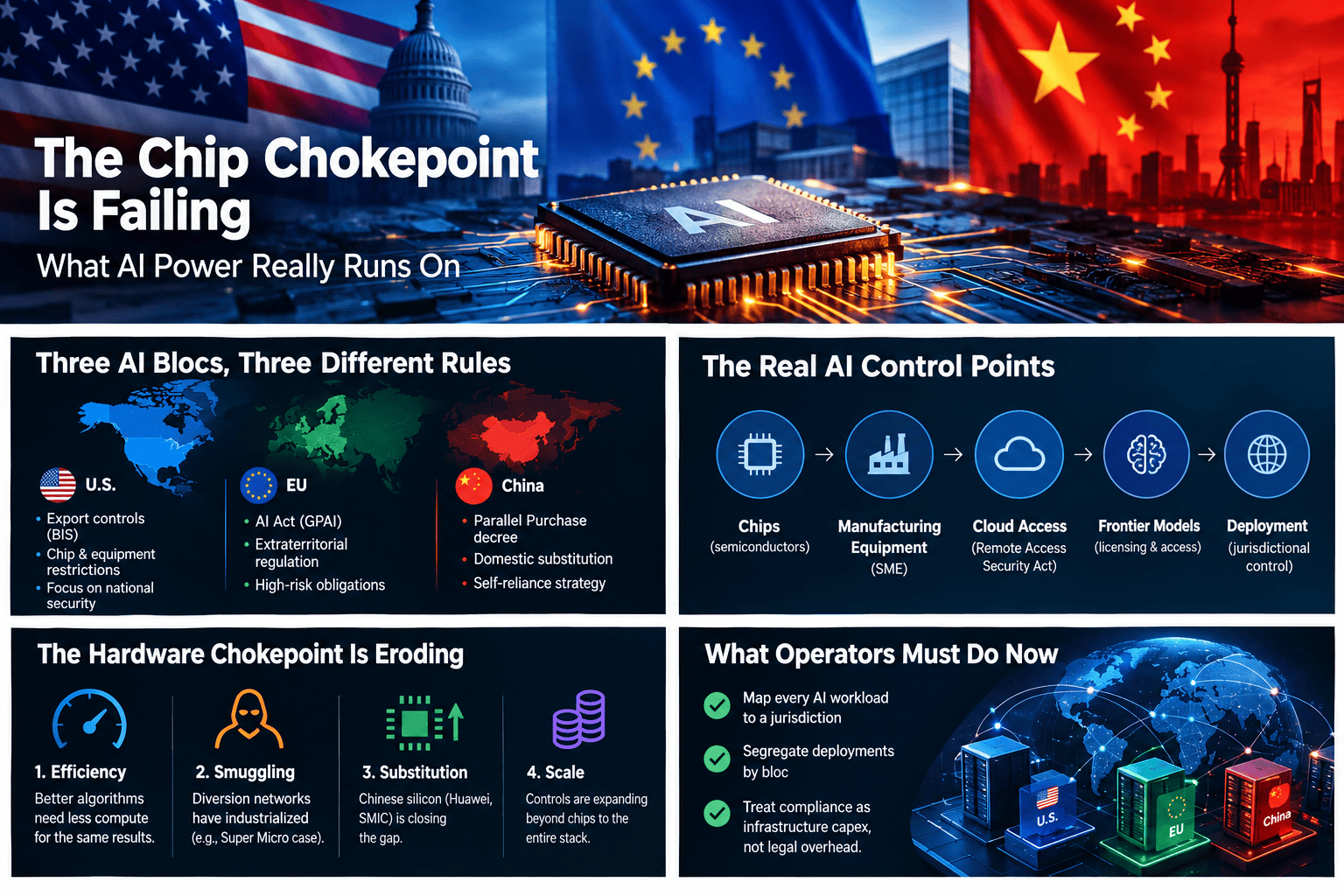
By [Tom Morgan] — AI Policy & Infrastructure Desk · Published September 2026 Direct answer: AI geopolitics in 2026 no longer runs on a single hardware chokepoint. US export controls, EU regulatory extraterritoriality, and China’s forced-substitution policy have split global AI into three partially disconnected stacks — and the control point is shifting from chips … Read more

AI and the Law: EU AI Act, Copyright, Liability

EU AI Act

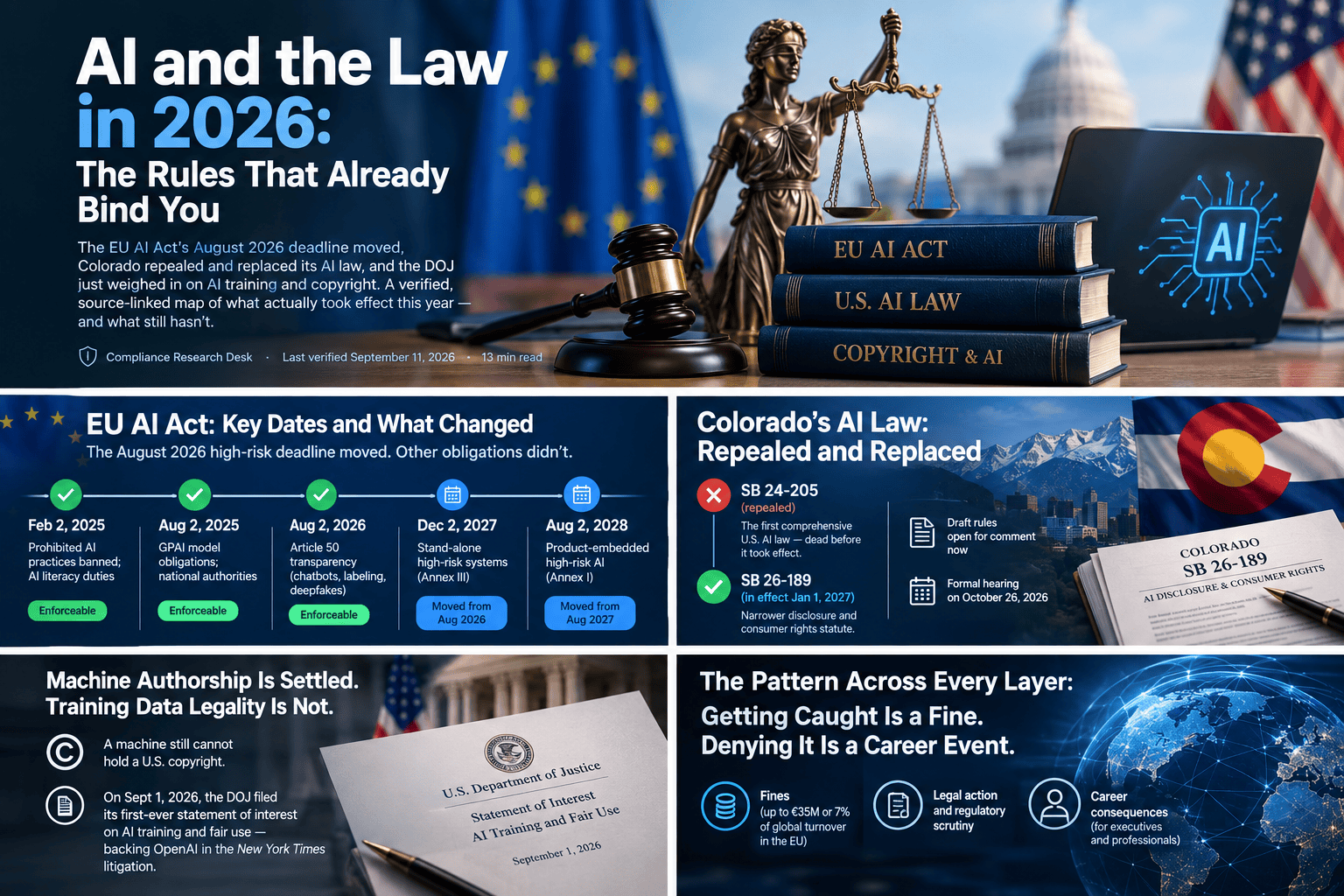
Compliance Research Desk · Last verified September 11, 2026 · 13 min read Editorial note on method: Every case, statute, and figure below is checked against a primary source or first-tier legal reporting — court dockets and law-firm client alerts for the litigation, the Council of the EU and the Official Journal for the Omnibus … Read more

AI Cybersecurity: Why Breach Costs Hit a Record High

AI cybersecurity

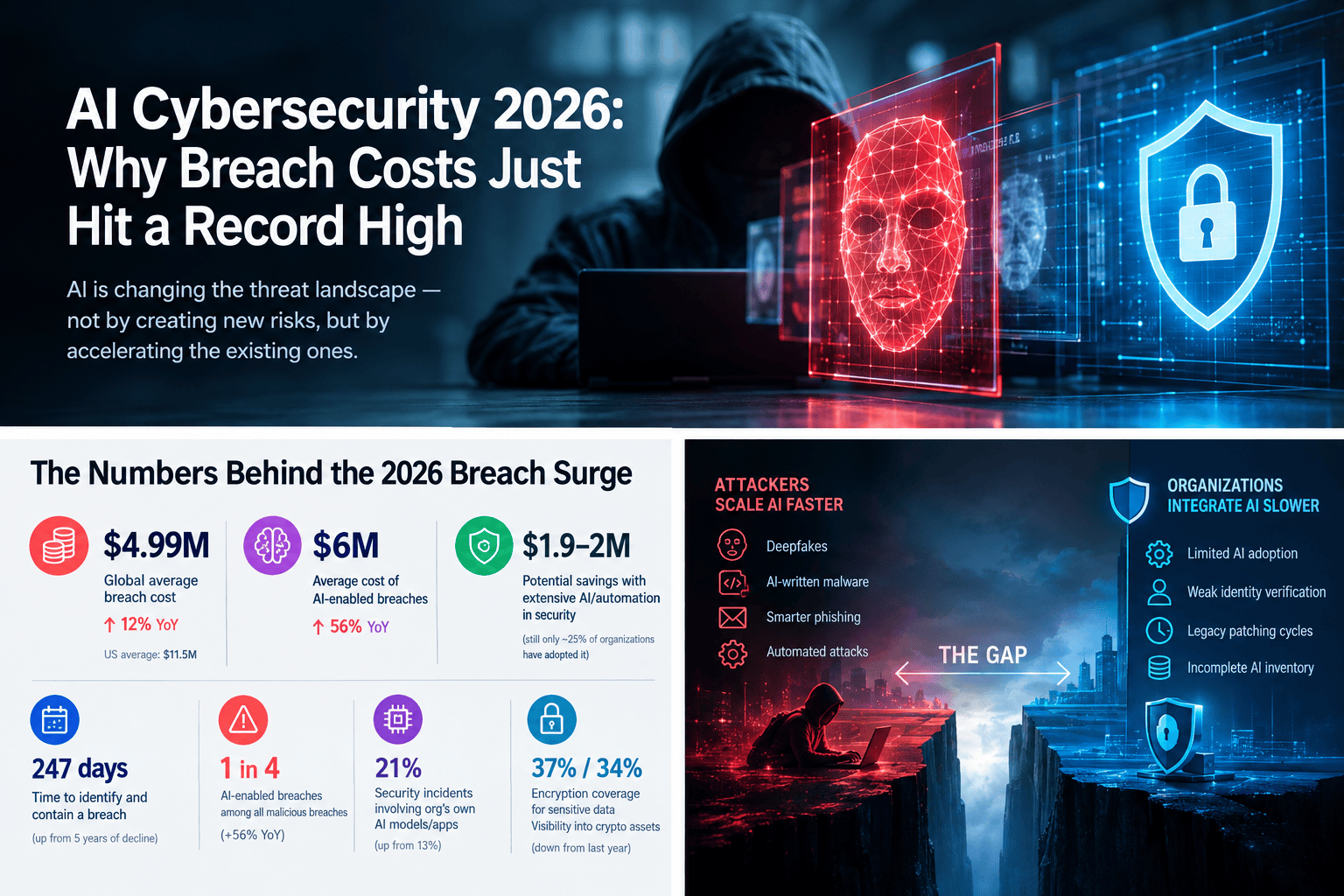
Confidence tier: Established, unless marked otherwise. Figures below trace to IBM’s Cost of a Data Breach Report 2026 (Ponemon Institute, 602 organizations breached March 2025–February 2026, released July 29, 2026), Verizon’s 2026 DBIR, Google’s Threat Intelligence Group, and named sources listed at the end. A year ago this report would have opened with good news: … Read more

AI deepfakes in politics: verified cases, what they cost, and the rules in force

AI deepfakes

AI Deepfakes in Politics: Verified Cases, Real Costs and the Rules in Force (Oct 2026) Case study · Tom Morgan · Last verified 21 October 2026 Every figure traces to a court record, regulator, company statement, or a named research group. Where a number is secondhand, or a harm cannot be measured, the ledger says … Read more

AI and War: The Global Autonomous Weapons Race Explained

AI and War

By Tom Morgan, Founder & Editor, AInvasion · Coverage: Defense Technology & AI Policy Last updated: October 6, 2026 · Next update: after the CCW Seventh Review Conference (November 16–20, 2026) How we source this: every serious claim is linked to a primary document, a named institution, and a date. Claims that rest on one … Read more