McDonald’s and IBM’s Drive-Thru Failure: What Really Went Wrong
McDonald’s and IBM’s Drive-Thru AI

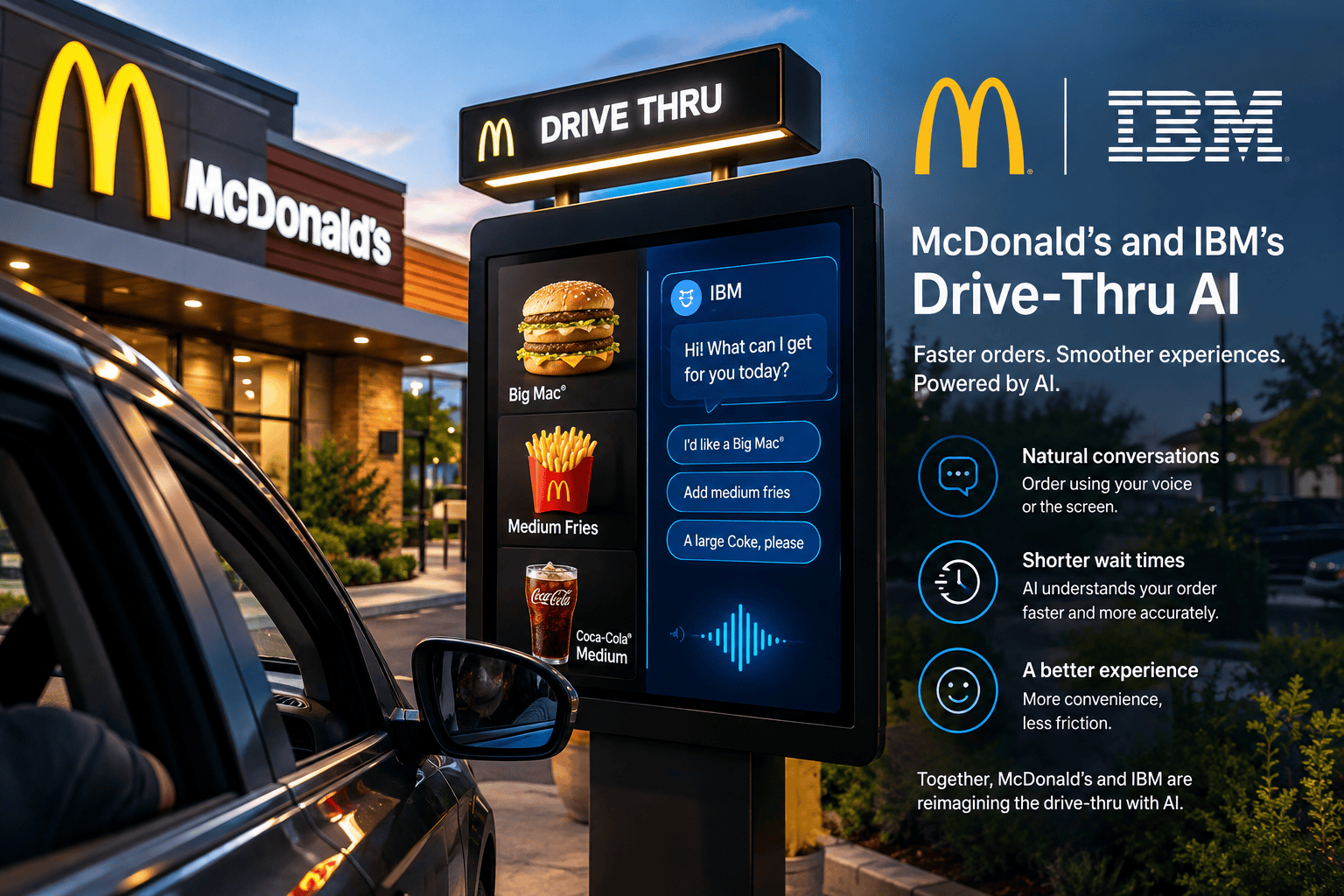
The most revealing statement about McDonald’s drive-thru AI was not made in 2024, when the company ended the test. It was made in June 2021, when CEO Chris Kempczinski told analysts the technology was about 85% accurate and could take about 80% of orders, then added that it likely would not roll out within five … Read more
Air Canada’s Chatbot Case: What the Tribunal Actually Ruled

Air Canada Chatbot

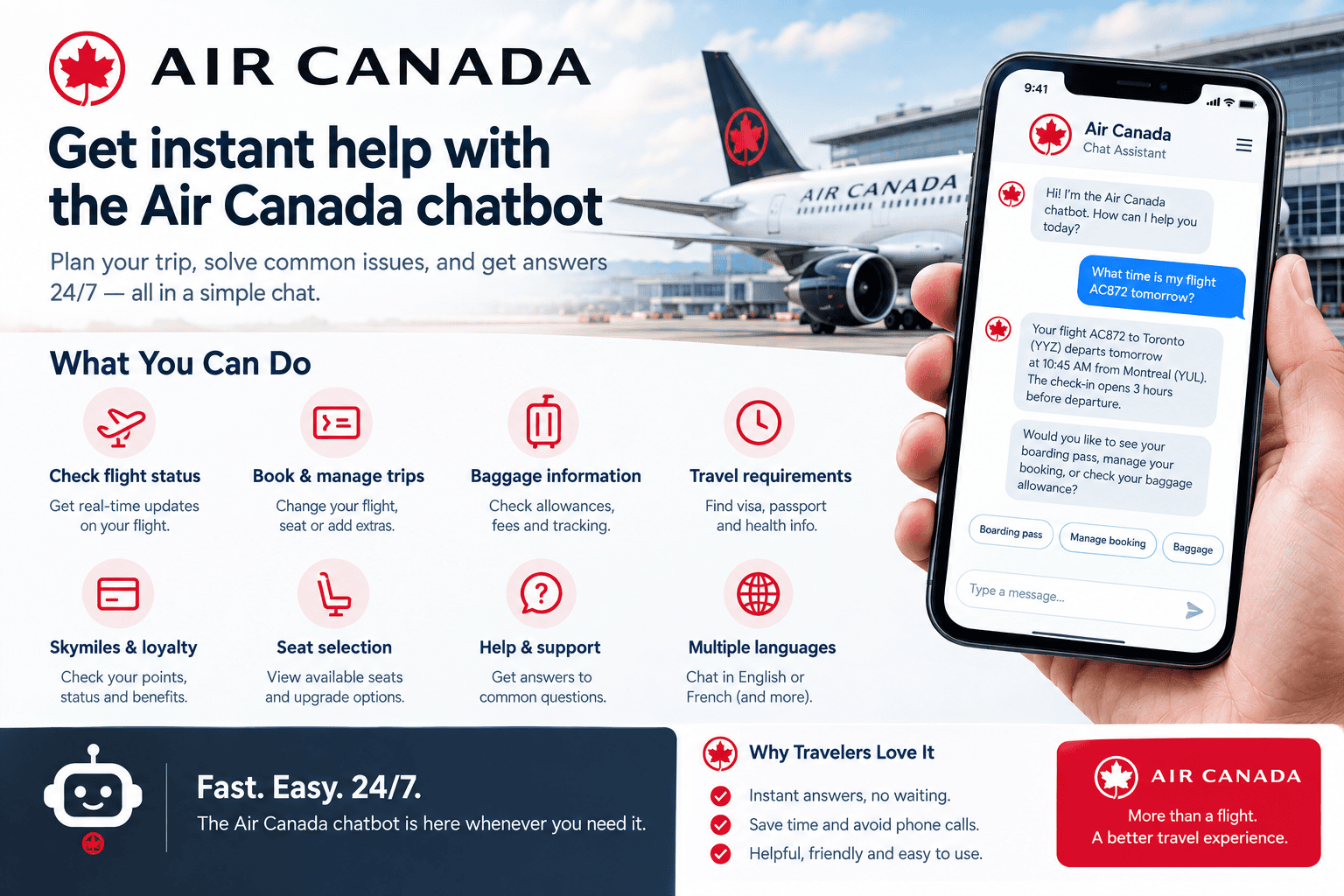
Moffatt v. Air Canada: What the chatbot ruling actually decided On 11 November 2022, Jake Moffatt’s grandmother died, and Moffatt went to Air Canada’s website to find a last-minute flight from Vancouver to Toronto. A chatbot answered a question about bereavement fares. That answer turned out to be wrong, and it ended with a British … Read more

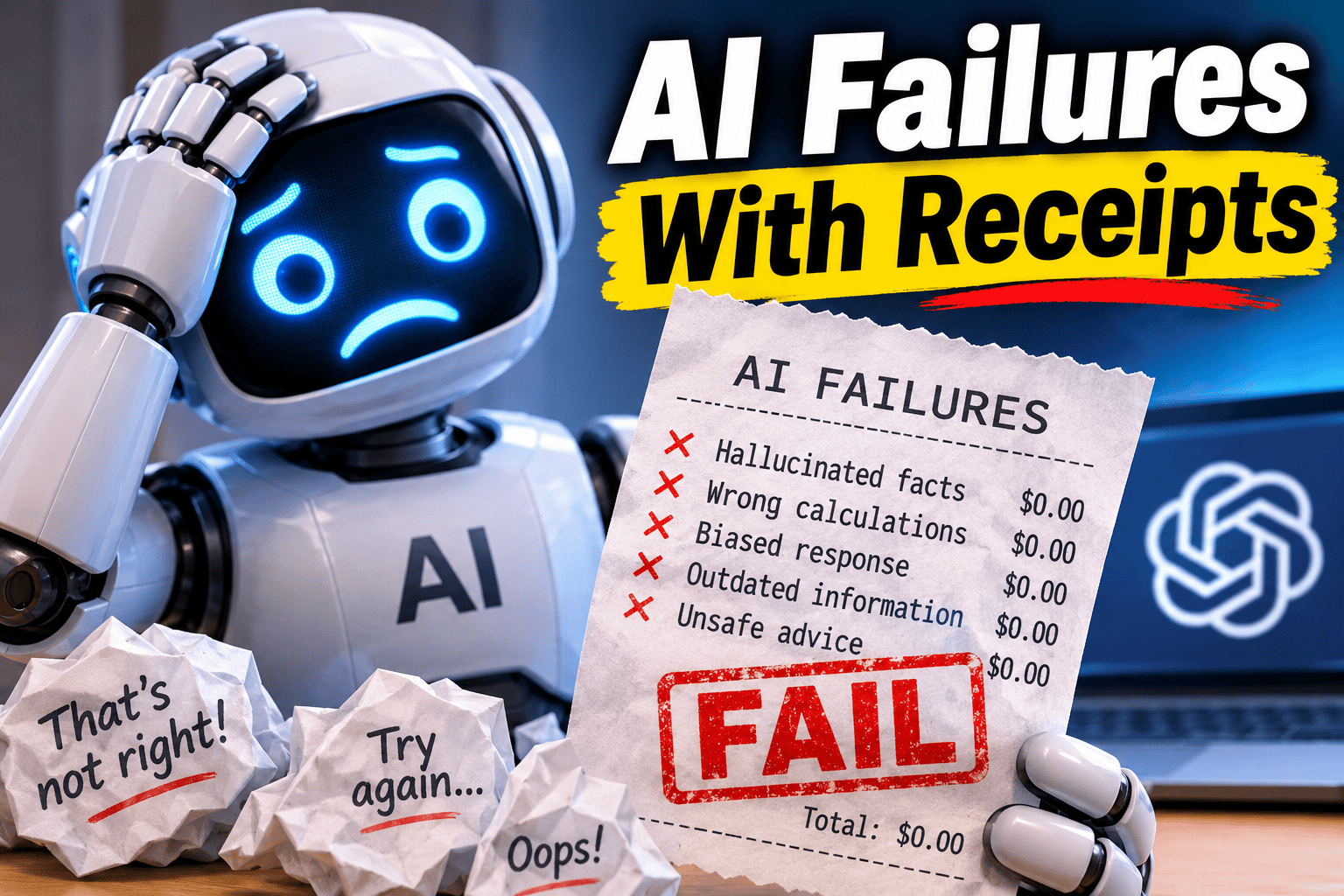
AI Failures With Receipts: 14 Documented Cases, Costs & Court Rulings

AI Failures With Receipts

AI Failures With Receipts: Fourteen Documented Cases, What They Cost, and What the Courts Decided Source check, 8 November 2026: cases 1 to 13 at the eighth pass; case 14, the near misses and the new analysis at the ninth. Every case has a confidence label, a one-line bottom line, a “What would have prevented … Read more

AI Workplace Productivity: Does Automation Really Save Time?

AI productivity

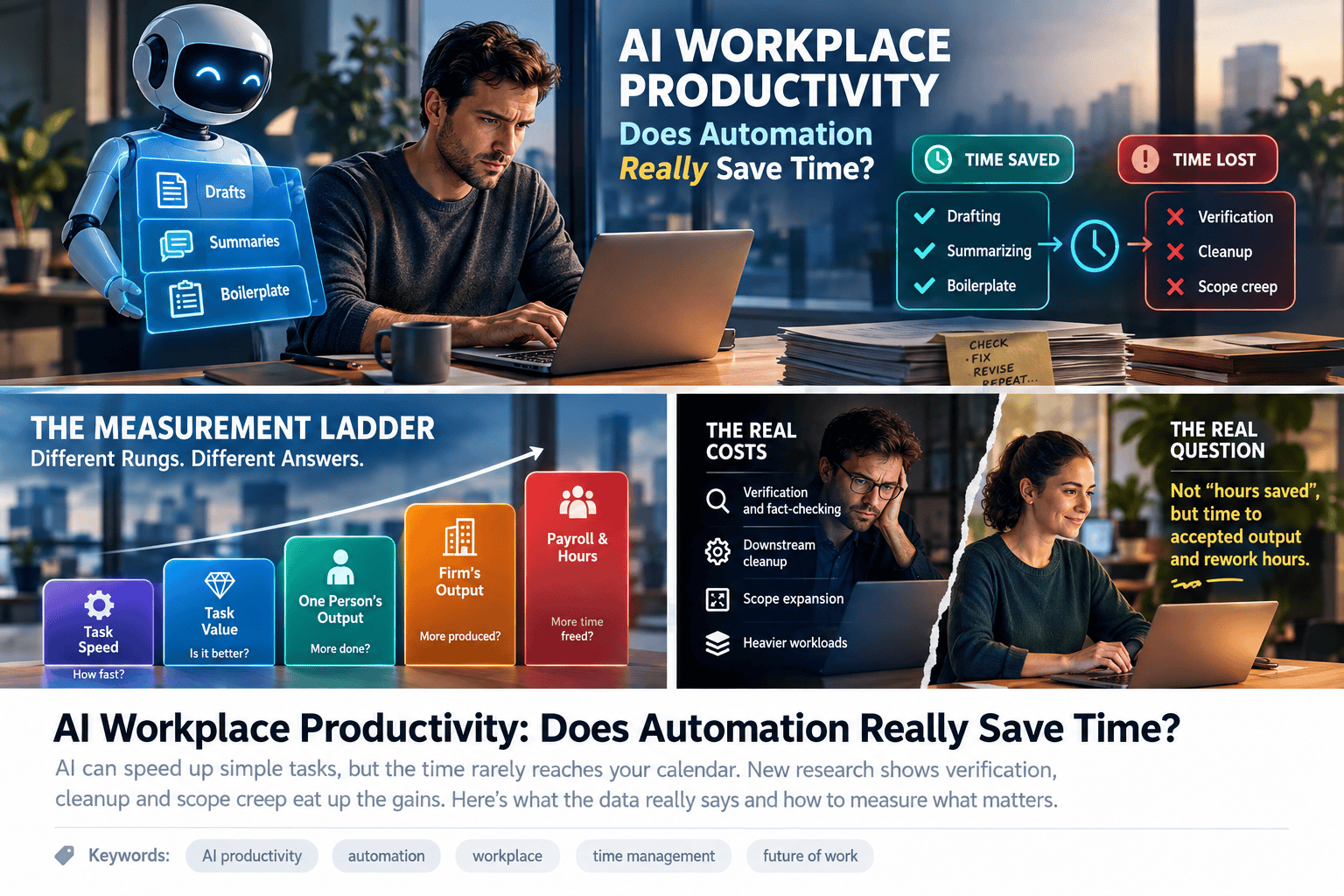
AI saves real time on individual tasks such as drafting, summarizing and boilerplate, but most of that saving never reaches anyone’s calendar: 2026 field data shows it leaking away through verification, downstream cleanup and heavier workloads. In Danish payroll records, chatbot adoption left earnings and recorded hours statistically unchanged, and workers’ own estimate of the … Read more

Autonomous Drone Swarms: Why Cost, Not Smarts, Change War

autonomous drone swarms

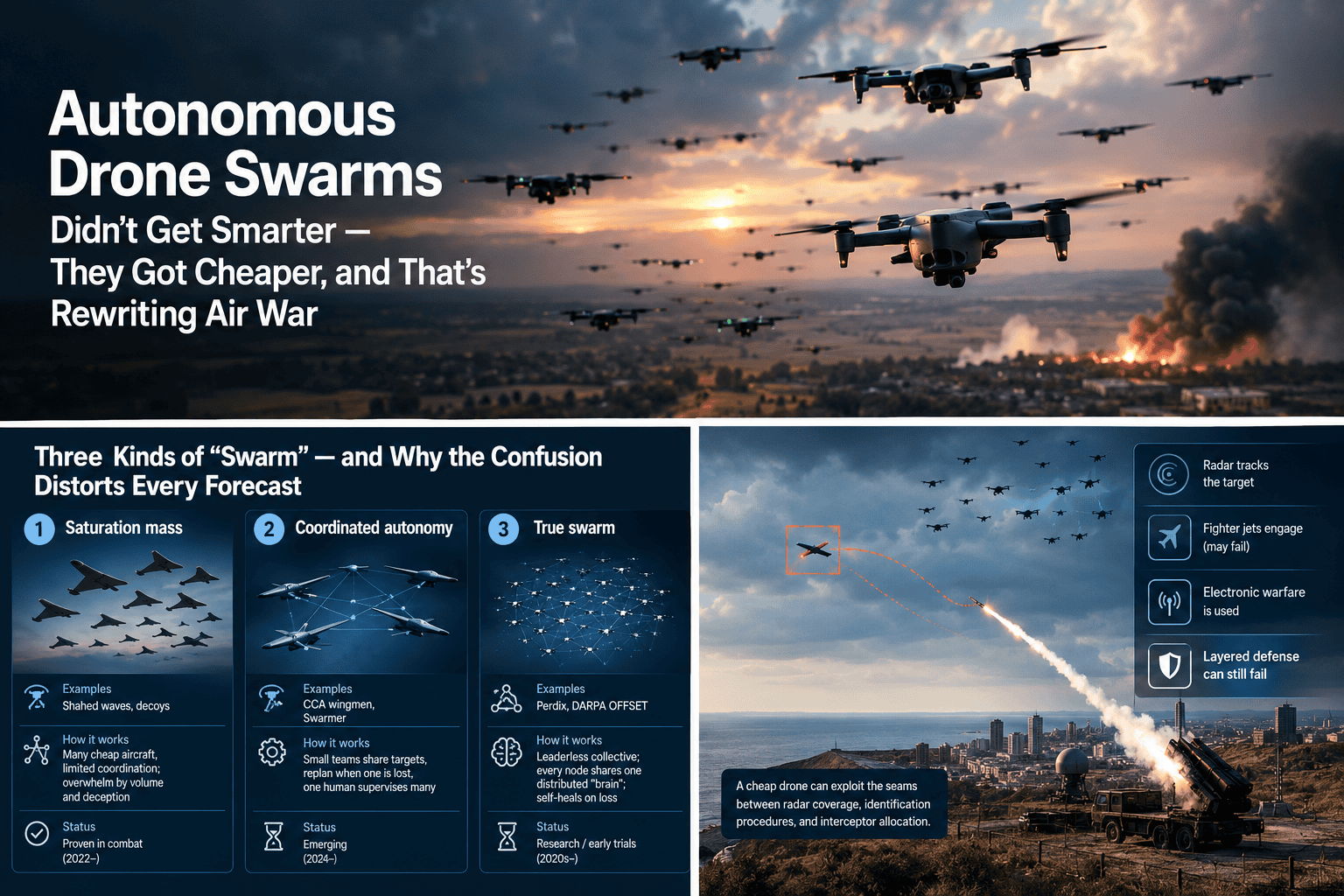
Defense & Emerging Technology Correspondent · Research assisted by AI, fact-checked and edited by a human editor · Updated September 2026 Quick answer: Autonomous drone swarms are changing military tactics by collapsing the cost of mass: coordinated groups of cheap drones saturate and deceive air defenses built to stop a handful of expensive targets. But … Read more

Smart Sensors and Privacy: How Movement Becomes a Profile

behavioral profiling

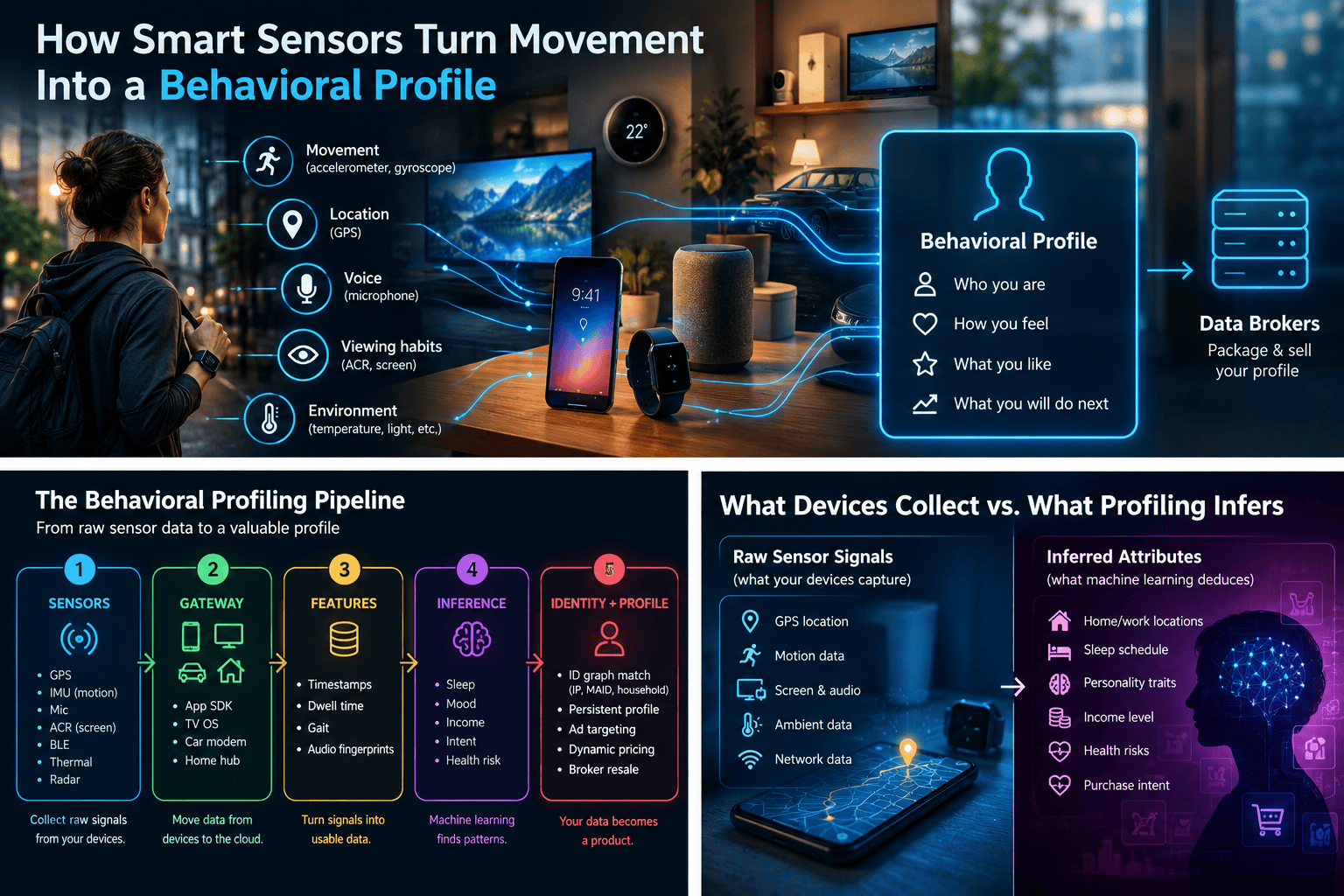
Direct answer: Smart sensors — the accelerometers, GPS radios, microphones, and ambient sensors inside your phone, TV, car, thermostat, and wearable — continuously capture behavioral signals like movement, location, voice, and viewing habits. Machine learning systems turn those raw signals into inferences about who you are, how you feel, and what you’ll do next, and … Read more

Self-Driving Car Ethics: Why the Trolley Problem Misleads

Self-Driving Car

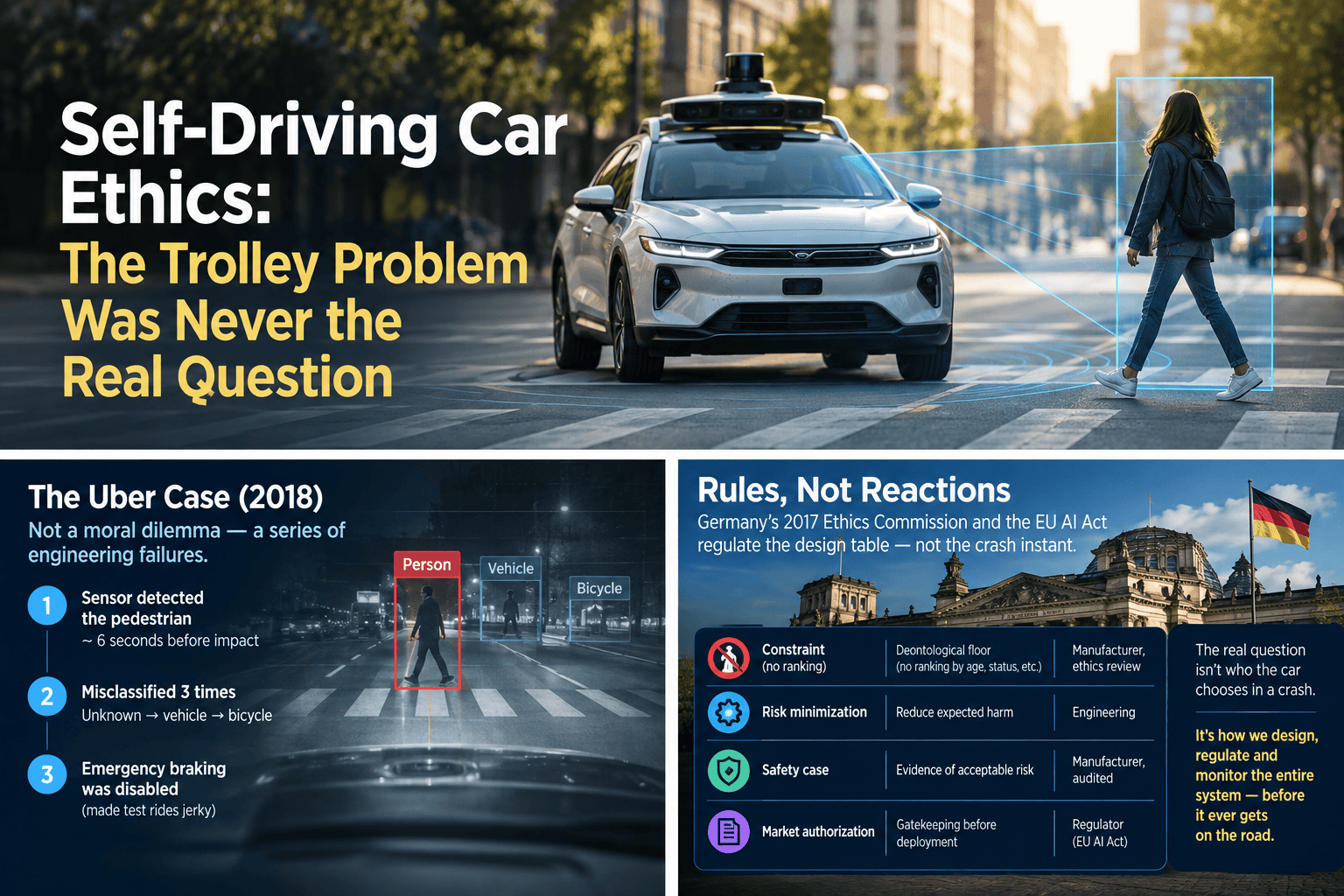
Confidence key: Established = confirmed by primary sources · Probable = strong evidence with some interpretation · Speculative = my interpretation, open to debate TL;DR: Self-driving systems don’t decide who lives or dies. They aim to minimize expected harm based on one clear principle: never prioritize one person over another. The death that got misread … Read more

How Authors Use AI to Write Books: What the Data Shows

AI book writing

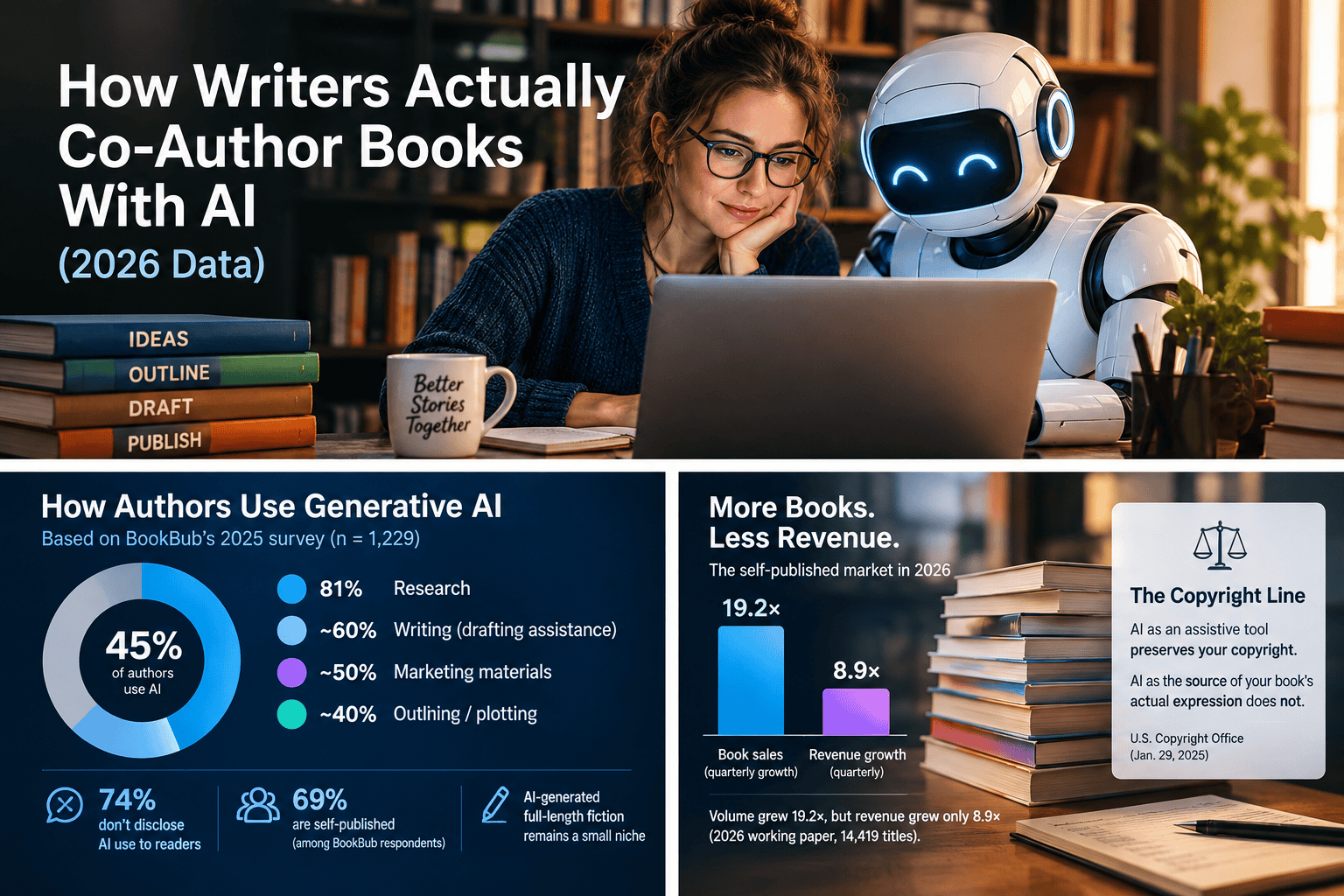
Updated September 2026 · 11 min read TL;DR — what the data actually supports A romance writer with seventeen titles recently did the math in public: her books bring in $500–$750 a month, and roughly $400 of that goes straight back out as Meta and Amazon ad spend — the toll for getting a reader’s … Read more

AI’s Environmental Impact: Energy, Water and Real Numbers

AI environmental impact,

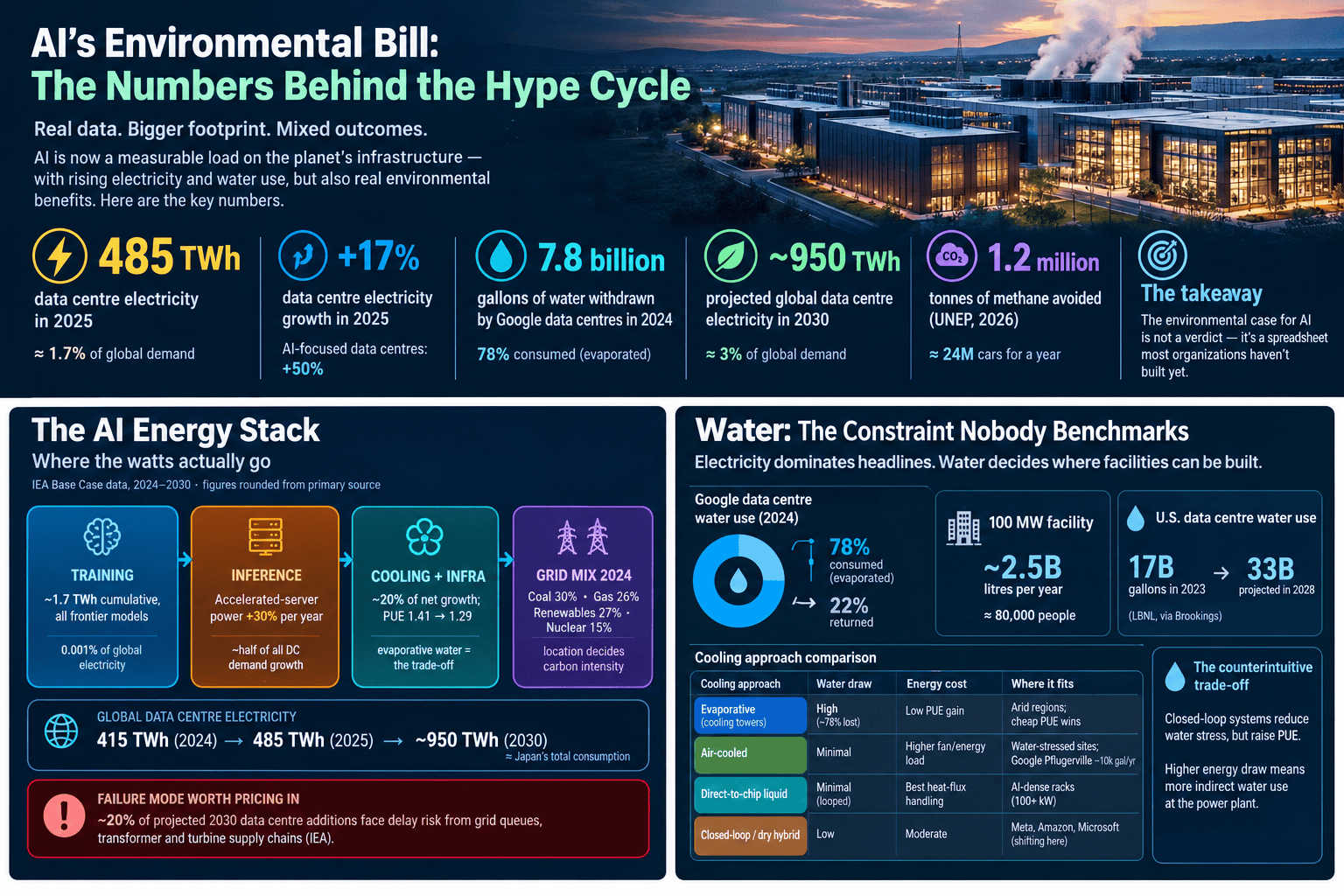
Direct answer: AI is now a measurable draw on physical infrastructure — global data centre electricity use hit 485 TWh in 2025 and the IEA’s Base Case puts it at roughly 945 TWh by 2030, with AI-optimised facilities driving almost all of the growth. Water is the quieter constraint: Google alone withdrew close to 9.9 … Read more